AnswerTroubleshooting
Can Z hop cause stringing?
Yes. Prusa says a lower Lift Z improves stringing. Keep the hop low (Bambu Studio ships 0.4 mm) and lift on a slope, spiral or ramp instead of straight up.
Why a print failed or leaked, and the setting, count or step that fixes it, with the figure behind each fix.
Prints leak by default. Prusa Research's fix: 4 to 6 perimeters, 105 to 110 percent flow, 0.15 mm layers, one vase-mode wall, and epoxy for parts that must stay sealed.
AnswerTroubleshooting
Yes. Prusa says a lower Lift Z improves stringing. Keep the hop low (Bambu Studio ships 0.4 mm) and lift on a slope, spiral or ramp instead of straight up.
AnswerTroubleshooting
Pull or cut the loose strings, then hit the fine wisps with a heat gun at about 200 °C for one or two seconds. Longer can deform PLA, which softens at 54 to 60 °C.
AnswerTroubleshooting
Soft filament is pulled up into the heatbreak and jams, the gear grinds it, and lines restart with gaps. Bambu Lab and Prusa's MK3S cap it at 2 mm.
AnswerTroubleshooting
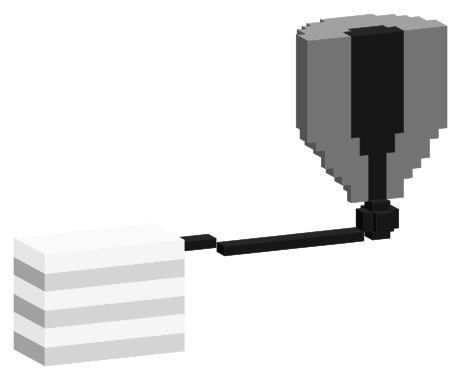
Stringing is plastic leaking from the nozzle on travel moves. Check a wet spool first, then heat (UltiMaker: 5 °C lower per print), retraction and long travels.
AnswerTroubleshooting
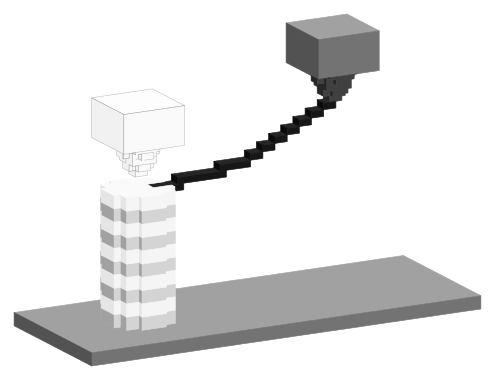
Shipped profiles run PETG 20 to 35 °C hotter than PLA, and its melt draws out into threads. Dry it, drop the nozzle 5 to 10 °C, and expect a few fine hairs.
AnswerTroubleshooting
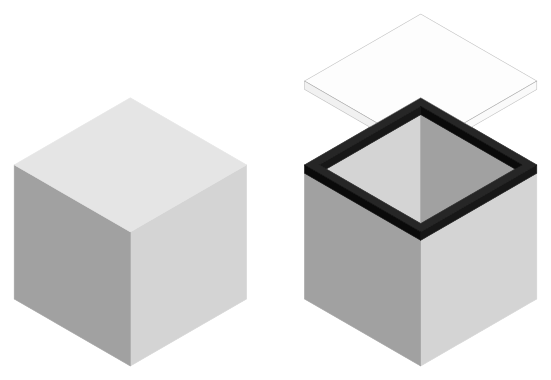
Watertight means a closed mesh: no holes, every edge shared by exactly two faces and every face pointing outward, so the slicer can tell inside from outside.
AnswerTroubleshooting
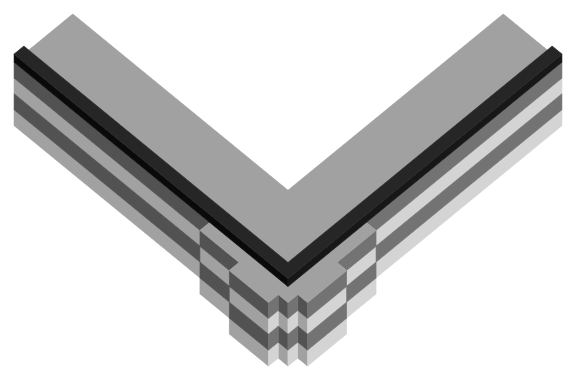
Pressure left in the nozzle keeps pushing plastic out as the head slows for the corner. Tune pressure advance: Klipper ships it at 0 and Marlin with it disabled.
AnswerTroubleshooting
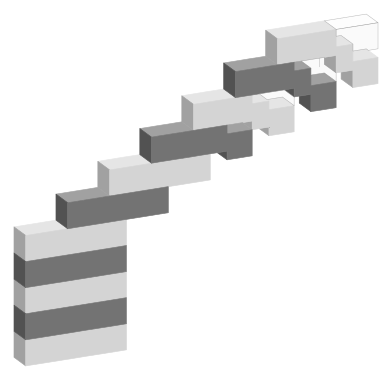
Each overhang layer rests partly on air; past about 45° from vertical, soft plastic sags before it cools. Fix: full fan, slower overhangs, a cooler nozzle.
AnswerTroubleshooting
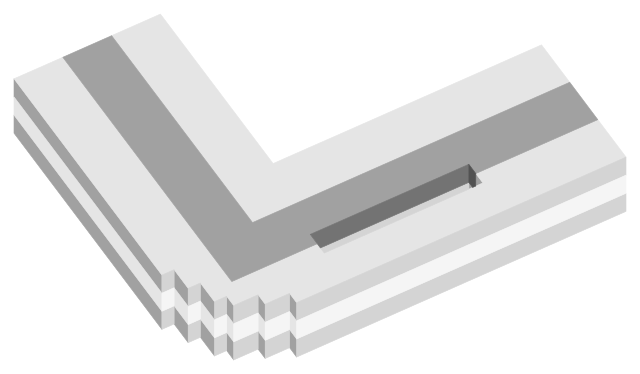
Rounded corners, lines that thin into a corner and gaps between perimeters mean pressure advance is too high: lower it. Over 0.200, Klipper's extruder may skip.
AnswerTroubleshooting
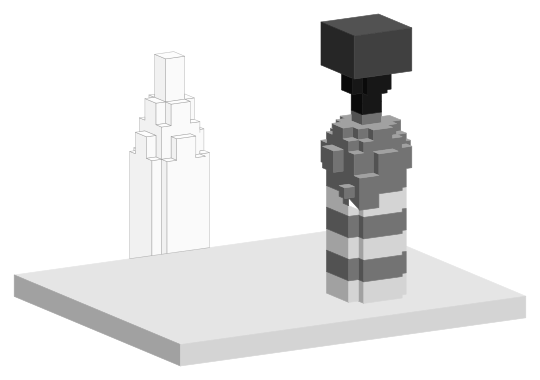
Small layers print in seconds, so the next lands before the last one cools. Set a minimum layer time (4 to 12 s in stock PLA profiles) and keep the fan at max.
AnswerTroubleshooting
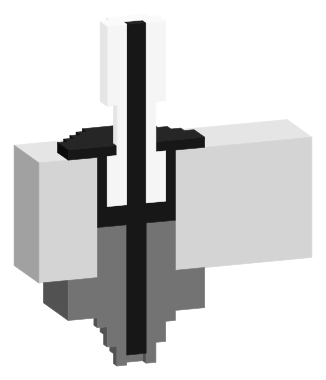
The nozzle is not sealed against the heatbreak. Reseat it, then tighten it hot: E3D says 285 °C and 2 Nm for a brass V6 nozzle, Prusa 280 °C and 2.5 Nm on the MK3S.
AnswerTroubleshooting
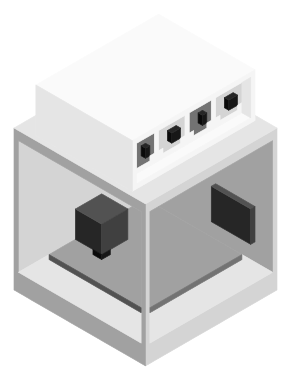
An HMS error is a Health Management System alert. Its 16-character code names the module that raised it and the severity, and its wiki page gives the fix.
AnswerTroubleshooting
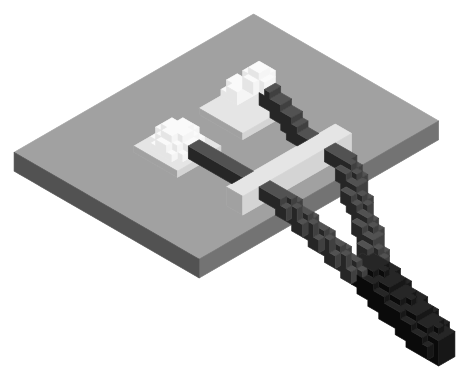
Marlin halts if the bed gains less than 2 °C in 60 s after a heat command. Check the bed's power terminals and solder joints first, then the board output and supply.
AnswerTroubleshooting
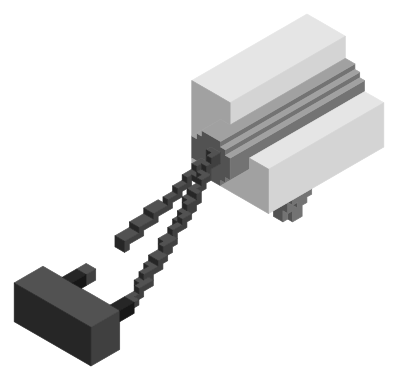
The hotend warmed too slowly after a heat command, so the printer halted. Marlin 2.1.1 and later want 2 °C in 40 s. A damaged or loose heater cable is the usual cause.
AnswerTroubleshooting
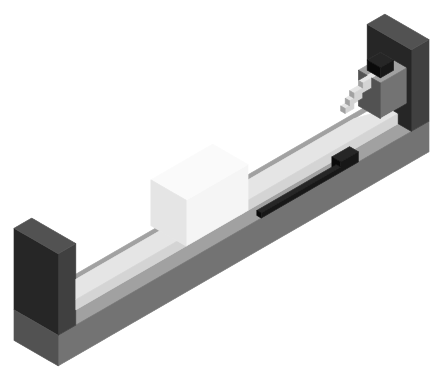
The axis never triggered its endstop or probe. Marlin and Klipper search 1.5 times the axis travel, then stop: check the switch, the probe and the mechanics.
AnswerTroubleshooting
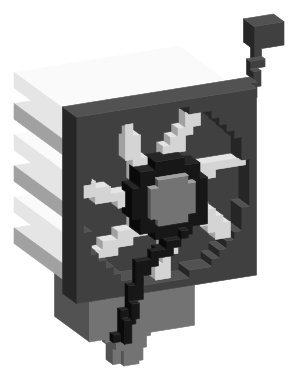
The hotend fan is too slow or stopped (HMS_0300-0300-0001-0001). Clear strings, reseat its 4-pin plug and retest at 51 °C: the fan runs above 50 °C.
AnswerTroubleshooting
Klipper blocks every extruder move while the hotend reads below min_extrude_temp, 170 °C by default. Usually a macro extruded before M109 finished heating.
AnswerTroubleshooting
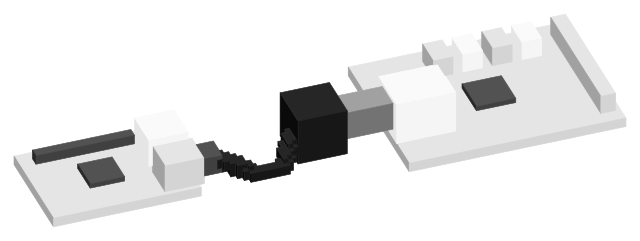
Klipper's host stopped hearing a board: a 5th unanswered clock query, sent every 0.98 s, trips it. Check the USB cable, power and noise, then FIRMWARE_RESTART.
AnswerTroubleshooting
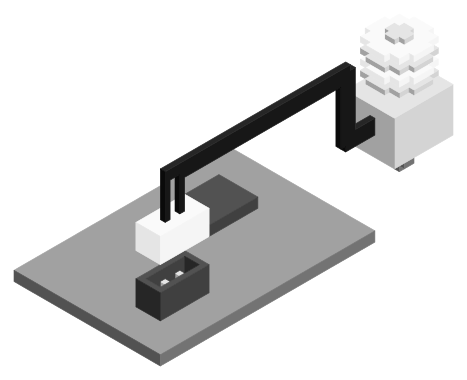
MINTEMP is a safety shutdown: Marlin trips below 5 °C, usually from an unplugged or broken thermistor wire. What to check, including a Prusa MK4 after a nozzle swap.
AnswerTroubleshooting
A heater stayed below target too long (Marlin: 4 °C for 40 s). Usual causes: a loose thermistor, heater or wiring fault, fan on the block or untuned PID.
AnswerTroubleshooting
Once the spool is dry, stringing comes from settings: Prusa says lower the nozzle 5 to 10 °C, Bambu Lab adds retraction up to 2 mm and shorter travel.
AnswerTroubleshooting
Wet filament pops or hisses at the nozzle, bubbles, strings and prints rough. To confirm, dry it (PLA 50 °C, PETG 60 to 65 °C, 8 hours) and reprint.
AnswerTroubleshooting
Bambu Lab's X1C and P1S guides load PLA at 220 to 230 °C and pull at 70 to 100 °C; the H2D, H2S and P2S run it from Toolbox > Nozzle Cold Pull Maintenance.
AnswerTroubleshooting
Yes, up to a point: Prusa adds 5 to 10 °C when a material won't stick, but makers stop near the glass transition, 61 °C for PLA and 81 °C for PETG.
AnswerTroubleshooting
Let it cool: Prusa waits for room temperature and Bambu Lab for 35 °C or lower on textured PEI. On Bambu's SuperTack plate, reheat a stuck print to about 50 °C.
AnswerTroubleshooting
The first layers stay soft and squash out into elephant foot; Polymaker caps PLA at 60 °C. Too hot also clogs nozzles and bonds PETG hard enough to tear PEI.
AnswerTroubleshooting
Yes. In a 2021 ABS test, corner lift was lowest at a 90 °C bed, 0.89 mm, and grew both cooler and hotter: 1.65 mm at 80 °C, 1.37 mm at 100 °C.
AnswerTroubleshooting
Neither: they do different jobs. Cleaning filament such as eSUN eClean flushes old material at 160 to 300 °C; a cold pull drags debris out at 80 to 160 °C.
AnswerTroubleshooting
No filament comes out, lines print thin with gaps, the extruder clicks, or a purged strand curls back onto the nozzle. Prusa tests it at 260 °C for PLA.
AnswerTroubleshooting
TPU is too soft to push old filament out of the nozzle. Bambu Lab says cold pull with PLA or PETG first: flush at 250 °C, pull PLA at 70 to 100 °C.
AnswerTroubleshooting
Pull PLA at 70 to 100 °C after heating to 200 to 270 °C. UltiMaker pulls ABS and cleaning filament at 140 to 160 °C; Creality gives 120 °C for PETG.
AnswerTroubleshooting
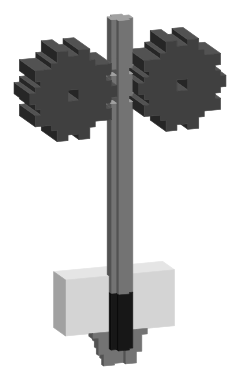
A blockage makes the motor skip steps. Check for a nozzle clog, then first layer height, heat creep, speed (8 to 12 mm³/s on an all-metal hotend) and the gears.
AnswerTroubleshooting
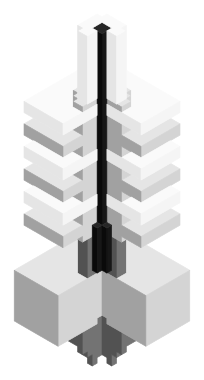
Heat the hotend to 260 °C after PLA or 280 °C after PETG, push a 1.5 mm rigid wire down from the top, or pull the stub up hot with pliers.
AnswerTroubleshooting
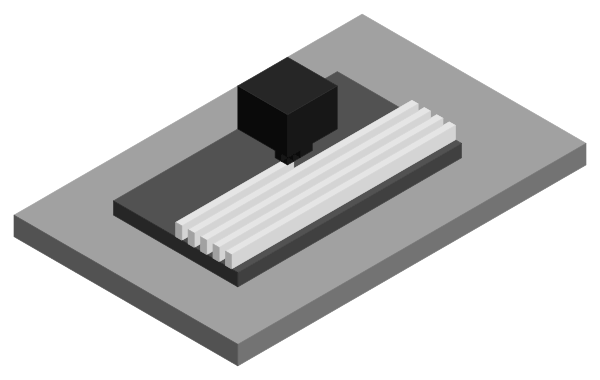
Most slicer defaults use one bed temperature for all layers. PrusaSlicer starts PETG at 85 °C then 90 °C; OrcaSlicer starts ABS at 105 °C then 100 °C.
AnswerTroubleshooting
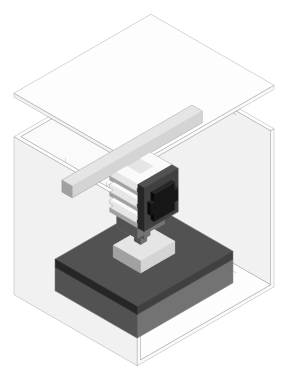
Clear the jam at 250 °C, cold pull from 220 to 100 °C, then cut the heat: hotend fan always on, door open for PLA on a 45 °C+ bed, retraction 2 mm or less.
AnswerTroubleshooting
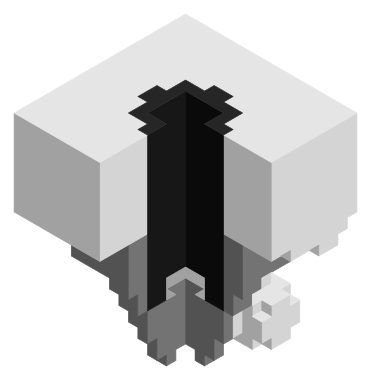
Wipe the outside before each print and cold pull the inside about monthly, Bambu Lab's minimum. Prusa's INDX guide says 200 print hours; UltiMaker 100 to 400.
AnswerTroubleshooting
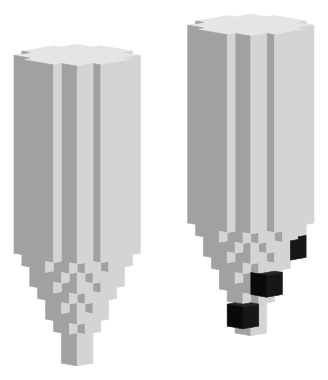
Fill the nozzle at printing temperature, cool it to 70 to 100 °C for PLA or 140 to 160 °C for nylon, then pull up. A good tip is a cone with the nozzle's imprint.
AnswerTroubleshooting
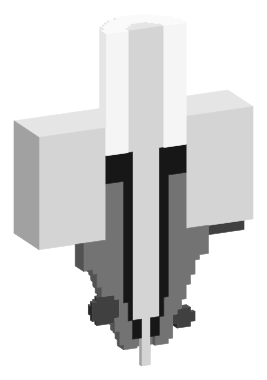
Burnt plastic from filament left in a hot nozzle. Marlin's optional idle timeout cuts the heater after 5 minutes; Prusa brushes the outside at 250 °C.

AnswerTroubleshooting
A 0.3 to 0.35 mm needle, the size Prusa Research bundles, pushed 1 to 2 cm up from below with the nozzle hot. It must be thinner than the 0.4 mm bore.
AnswerTroubleshooting
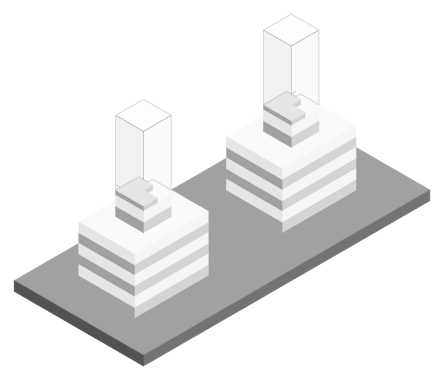
Repeat clogs are usually heat creep: Prusa flags rooms above 35 °C and enclosed PLA. Wet or dirty filament, printing too cold and long retractions cause the rest.
AnswerTroubleshooting
PETG residue stays in the hotend when PLA goes in at 190 to 230 °C. Load the PLA at the PETG temperature, 230 to 260 °C, so it pushes the old plastic out.
AnswerTroubleshooting
Heat the nozzle to 260 °C for PLA or 280 °C for PETG and push filament through, then use a 0.3 to 0.35 mm needle, a cold pull, and finally a nozzle swap.
AnswerTroubleshooting
Bambu Lab's guides heat the nozzle to 250 °C for PLA, run the included pin up and down in the tip, then cold pull. If the clog survives that, swap the hotend.
AnswerTroubleshooting
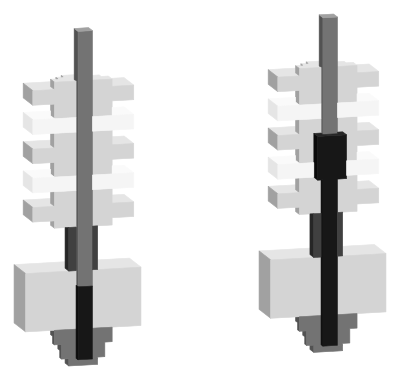
Heat rising into the heatbreak softens filament above the melt zone until it jams. PLA's glass transition is 60 °C; Bambu Lab opens the door over a 45 °C bed.
AnswerTroubleshooting
Thin-walled ones do. Prusa's PLA flower pots held water; its tests needed 4 perimeters for PLA and PETG and 5+ bottom layers. Seal the inside or print a saucer.

AnswerTroubleshooting
A vase-mode wall is one line thick, so any gap leaks. Fix: 105 to 110 percent flow, a 0.6 mm outer wall, 5+ bottom layers, or coat the inside or add a liner.
AnswerTroubleshooting
Bambu Lab and Creality rate their printers for 10 to 30 °C ambient, and Prusa calls 20 to 30 °C ideal. What fails in a cold garage, and how to check yours.
AnswerTroubleshooting
One lifted corner has less grip or more cooling than the other three. Five causes to check: bed height, a draft, a cool bed zone, skin oil and a sharp corner.
AnswerTroubleshooting
TPU welds itself to a hot bed, a squashed first layer or bare smooth PEI. Bambu Lab lists 35 to 45 °C on PEI plates. The causes, the fixes and a safe way to peel it.
AnswerTroubleshooting
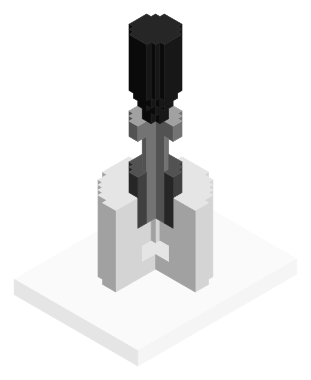
Reheat a tilted insert at 20 °C above printing temperature (240 °C for PLA) and press it flush, or pull it out on a screw in about 10 seconds; drill 5.6 mm for an M4.
AnswerTroubleshooting
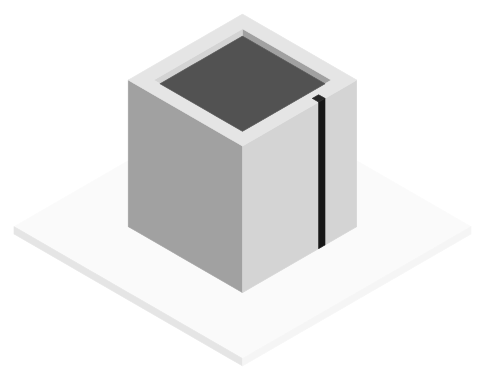
A fill-and-observe leak test on a dry tissue with two sourced pass points: dry after one night (Prusa Research, closed models) and dry after 48 hours (Bambu Lab, vases).
AnswerTroubleshooting
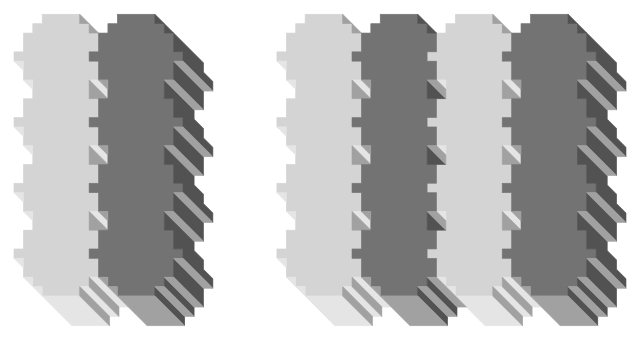
Four perimeters held water in PLA and PETG in Prusa's tests, two in ABS and PP, and one vase-mode wall in every material. Flow and layer height matter too.