AnswerHardware
How do you calibrate retraction distance?
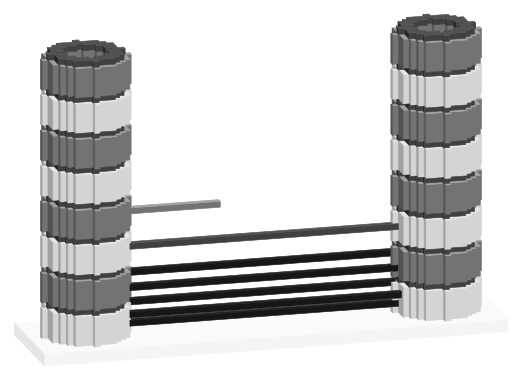
Print a retraction tower (OrcaSlicer tests 0 to 2 mm in 0.1 mm steps, a new length every 1 mm of height) and keep the shortest length whose band prints clean.
Printers, build plates, inserts and fasteners, and the parts you print to fit them, with the sizes and settings that matter.
What brass heat-set inserts are, the M2 to M5 size families with hole and wall figures, the iron temperature rule, and the 181 kg M3 pull-out from CNC Kitchen's test.
Printed parts are weakest across layers: Bambu Lab PETG Basic pulls 51 MPa in XY and 35 MPa in Z; Prusament PETG's interlayer adhesion is 18 MPa against 47 MPa flat.
AnswerHardware
Print a retraction tower (OrcaSlicer tests 0 to 2 mm in 0.1 mm steps, a new length every 1 mm of height) and keep the shortest length whose band prints clean.
AnswerHardware
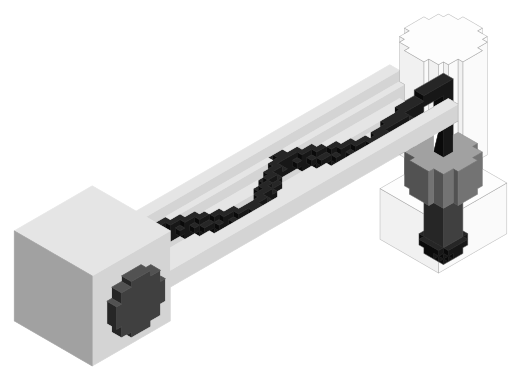
Bowden Ender-3, Pro and V2: 4 to 6.5 mm (Cura gives the Ender-3 and V2 5 mm at 45 mm/s). Direct-drive S1, S1 Pro, V3 SE and V3 KE: 0.5 to 1.2 mm.
AnswerHardware
Direct drive: 0.7 to 0.8 mm, as Bambu Lab, Prusa and Creality profiles ship. Bowden: 2.5 to 6.5 mm (Prusa MINI 2.5 to 3.2 mm, UltiMaker S5 6.5 mm).
AnswerHardware
How far Bambu Studio and OrcaSlicer pull filament back before the cutter cuts it at a filament change: 18 mm by default, and the field only accepts 10 to 18 mm.
AnswerHardware
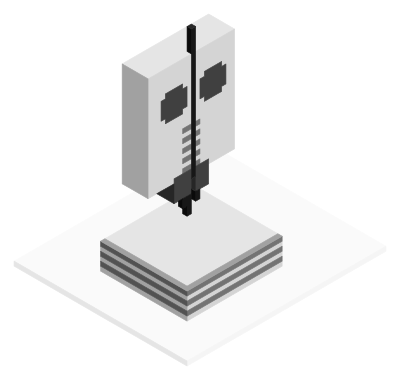
Printer settings > Extruder > Retraction: Bambu Lab profiles ship 0.8 mm length and 0.4 mm Z hop. Per filament: Filament settings > Setting Overrides, which wins.
AnswerHardware
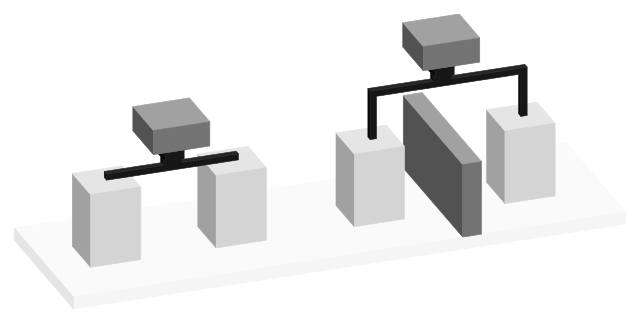
Print settings panel, Show Custom, Travel category. Most fields are hidden: search "retract". Cura's base Retraction Distance is 6.5 mm at 25 mm/s.
AnswerHardware
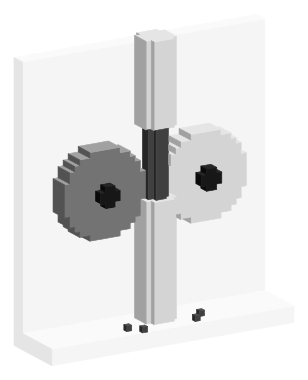
Use your profile's value: 30 mm/s on Bambu Lab printers, 35 to 45 mm/s on Prusa's direct-drive printers, 70 mm/s on the Bowden Prusa MINI, 25 mm/s in Cura.
AnswerHardware
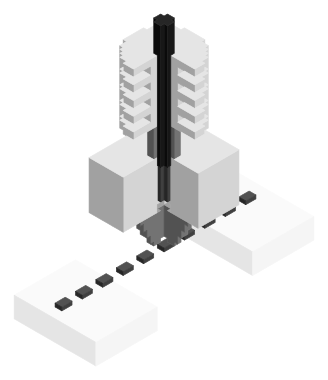
Pulling filament back before a travel move so the nozzle stops oozing: 0.8 mm at 30 mm/s in Bambu Studio's X1 Carbon profile, 3.2 mm at 70 mm/s on a Bowden Prusa MINI.
AnswerHardware
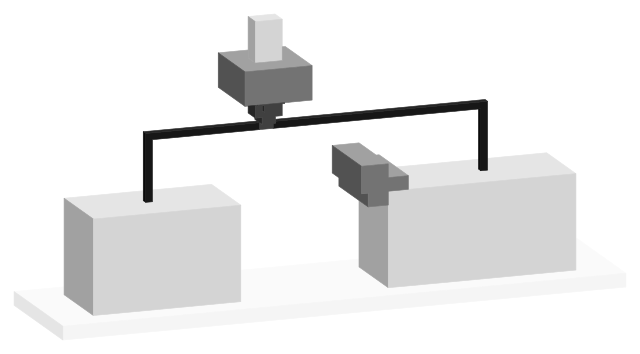
Z hop lifts the nozzle after a retraction so travel moves clear the print. Bambu Studio ships it on at 0.4 mm; UltiMaker Cura ships it off, set to 1 mm.
AnswerHardware
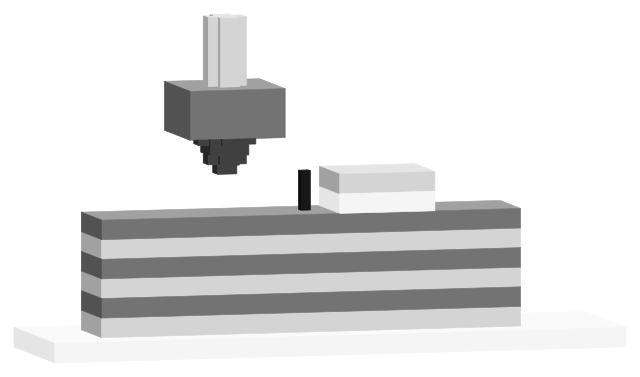
0.2 to 0.4 mm on a 0.4 mm nozzle. Bambu Studio and OrcaSlicer ship 0.4 mm, PrusaSlicer 0.4 mm on the Prusa MK3S and 0.2 mm on the MINI, Cura's Creality profiles 0.2 mm.
AnswerHardware
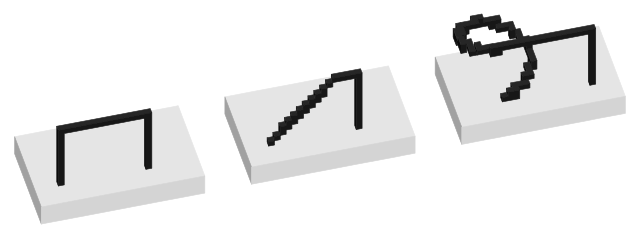
Keep your profile's type: Bambu Lab printer profiles ship Auto, which picks Slope or Spiral per travel. OrcaSlicer's own default is Slope at a 3° Traveling angle.
AnswerHardware
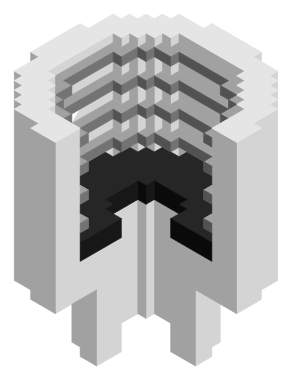
Yes. Copy the 3/4-11.5 NH garden hose thread, not 3/4 in NPT, let a rubber washer seal a flat face, and print PETG or ASA upright with four or more walls.
AnswerHardware
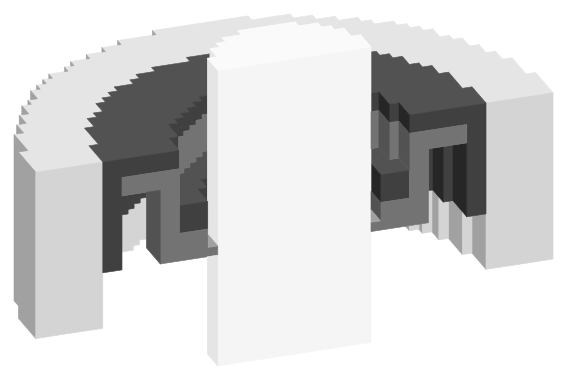
Only as a stopgap on a slow shaft. A molded nitrile oil seal is rated to 80 °C and 10 m/s; NinjaFlex TPU deflects at 60 °C. Never print a hydraulic seal.
AnswerHardware
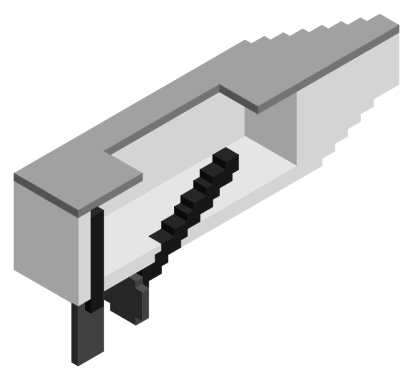
Print the hull with 4 perimeters (2 in ASA), brush epoxy inside and out, grease the stuffing tube, seal the rudder and hatch, then float-test it overnight.
AnswerHardware
Bambu Studio calls it flow dynamics: Calibration tab > Flow Dynamics saves a K value on the printer. The 0.02 field in filament settings is for third-party printers.
AnswerHardware
A Klipper [extruder] setting: the window, in seconds, over which pressure advance is averaged. Default 0.040 s, maximum 0.200 s; larger is smoother but blurs corners.
AnswerHardware
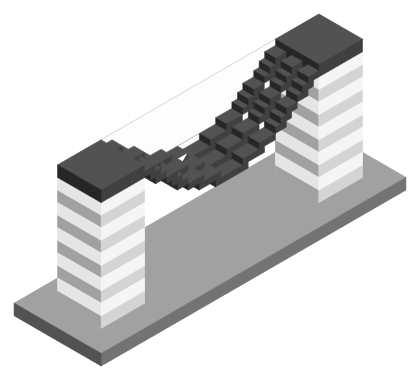
Yes for ABS, ASA, PC and nylon: profiles run the part fan off or at 10 to 20% on long layers. PLA needs it for bridges and overhangs. Never turn off the hotend fan.
AnswerHardware
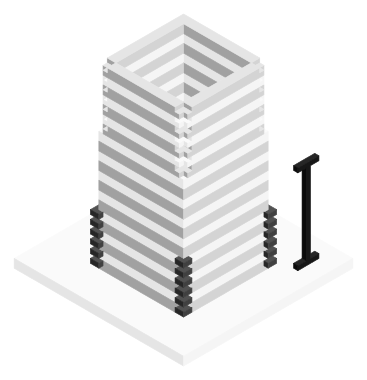
Pick the band, line or corner that prints most evenly. On a tower, value = start + height x step: OrcaSlicer's example is 0 + 8 mm x 0.002 = 0.016.
AnswerHardware
It runs the extruder ahead as the head speeds up, so lines keep full width. K sets how much: about 0.1 to 2.0 in Marlin, set with M900 K; M900 K0 turns it off.
AnswerHardware
It cools plastic leaving the nozzle so it sets before the next line lands, making bridges, overhangs and fine tips work. Base PLA profiles run it at 100% after layer 1.
AnswerHardware
A firmware setting that pushes extra filament in as the head speeds up and pulls it back as it slows. Klipper ships it at 0 (off); typical values are 0.050 to 1.000.
AnswerHardware
Only the Bambu Lab AMS 2 Pro (up to 65 °C) and AMS HT (up to 85 °C) dry filament. The original AMS and AMS lite don't heat. AMS 2 Pro PETG preset: 65 °C, 12 h.
AnswerHardware
Usually not. Prusa puts its steel sheet about 5 to 10 °C below the heatbed sensor, and a thermal camera read 56 °C on a Prusa i3 MK3 bed set to 60 °C.
AnswerHardware
Bed temperature sits in the filament preset, one row per plate type. Bambu Studio's PLA Basic profile runs 55 °C on Textured PEI on X1 and P1S, 65 °C on the A1.
AnswerHardware
No. Prusa says PLA does not require a heated bed, and Polymaker and Overture start their bed range at 25 °C. Prusa still recommends a 60 °C bed.
AnswerHardware
Not by itself. Hardened steel conducts heat about a fifth as well as brass, so Prusa adds about 5 °C and Slice Engineering 5 to 10 °C to keep the melt hot enough.
AnswerHardware
Consumer heated beds top out at 80 to 120 °C: Bambu A1 mini 80 °C, P1S 100 °C, X1C 110 °C, Ender-3 110 °C, and H2D, Prusa MK4S and CORE One+ 120 °C.
AnswerHardware
Small trim, yes, in ASA and in sections: a common desktop printer builds a 256 mm cube, a Civic is 70.9 in wide, and a printed bumper cover adds no crash protection.
AnswerHardware
Mercedes-Benz Classic 3D prints PA12 sunroof rollers for the W 123. What carmakers print for classic cars, and which old trim parts a home printer can copy.
AnswerHardware
Yes for bin clips, shelf supports and drawer rails at 40 °F (4 °C). PETG or ABS beats PLA on impact. Gaskets, sealed-system, electrical and water-line parts stay OEM.
AnswerHardware
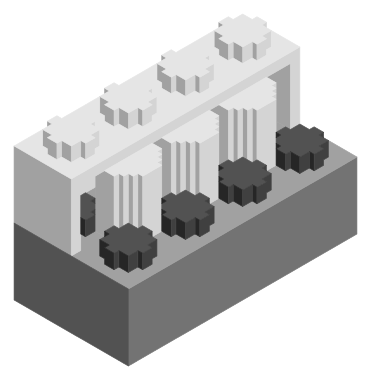
Yes, for personal use. The brick patent expired in 1978, but LEGO molds to 1/200 mm and Prusa quotes 0.3 mm XY, so tune XY compensation on a test brick first.
AnswerHardware
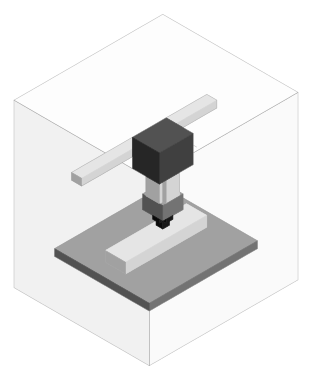
A car-part printer needs the material's numbers: 270 °C and an 80 °C bed for PETG trim, an enclosure for ASA, 300 °C and a hardened nozzle for carbon-fiber nylon.
AnswerHardware
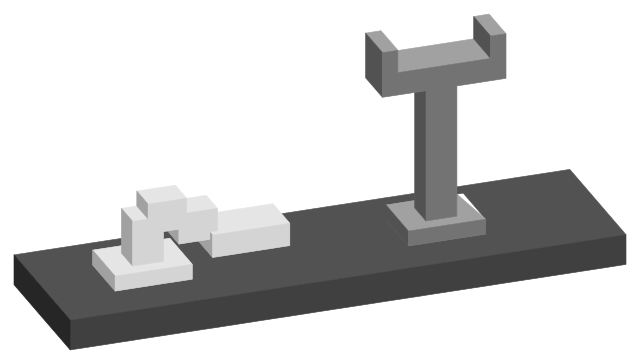
Yes for trim, clips and mounts, never brakes, steering or airbags. Sunlit dashboards average 157 °F (69 °C), past PLA's 57 °C HDT; ASA and PC clear it.
AnswerHardware
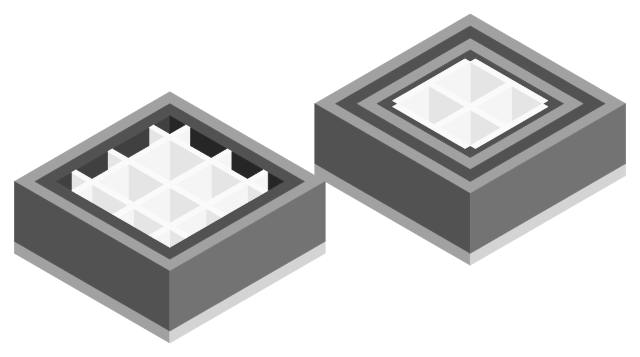
Seven steps from broken part to fitted print: check it is legal, find a model, measure to 0.01 mm, add 0.15 to 0.40 mm clearance, pick a filament, orient it, test-fit.
AnswerHardware
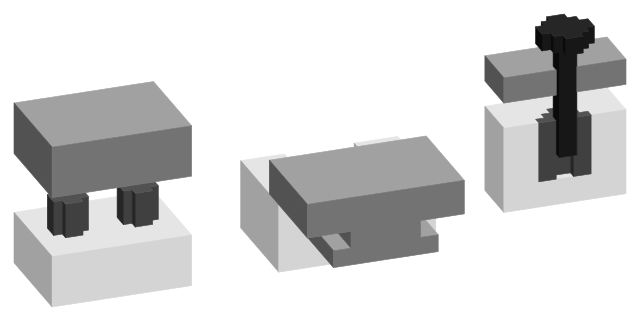
CA glue for PLA, PETG, ABS and nylon, acetone for ABS and ASA, epoxy for mixed plastics, a primer for PP, and 0.15 to 0.5 mm clearances for pins, dovetails and clips.
AnswerHardware
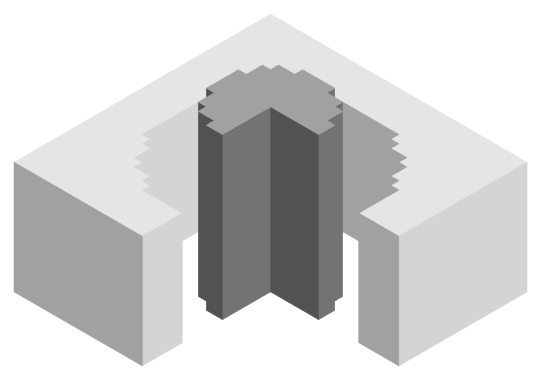
Design in clearance instead of copying the measurement: 0.15 to 0.20 mm for a snug fit, 0.20 to 0.25 mm sliding, 0.30 to 0.40 mm loose, then check with a tolerance print.
AnswerHardware
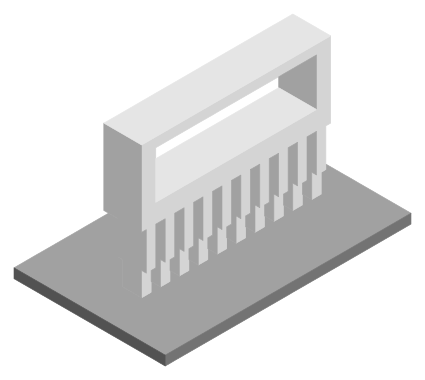
Official printable spares from Philips (seven files on Printables, October 2026), Framework and Miele, plus the five repositories where car and Dyson parts live.
AnswerHardware
Yes, in TPU for low-pressure, low-heat joints: 95A, 1.5 to 2.5 mm thick, 15 to 25% squeeze. Prusa's printed gaskets all leaked, so pressure needs a stock O-ring.
AnswerHardware
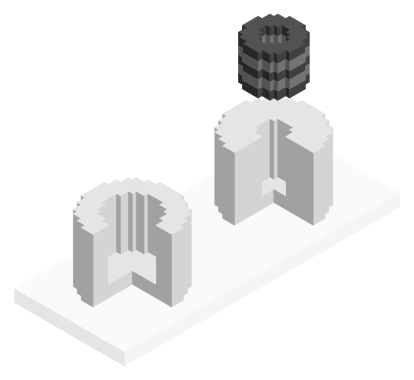
Yes, twice over: the brass thread takes a screw in and out many times, and a pulled insert can be set again in a fresh hole. What to check, and what can't be reused.
AnswerHardware
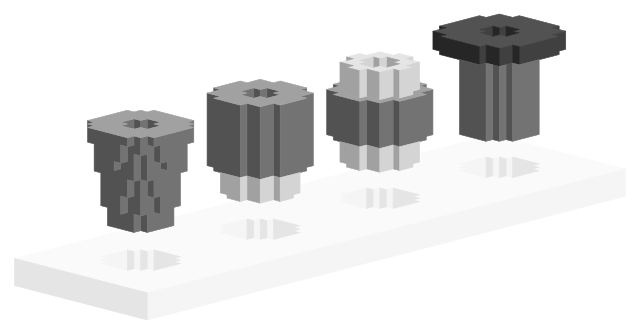
Which end of a heat-set insert goes into the hole first, for tapered, straight-with-pilot, symmetric and flanged inserts, from Ruthex, CNC Kitchen and SPIROL drawings.
AnswerHardware
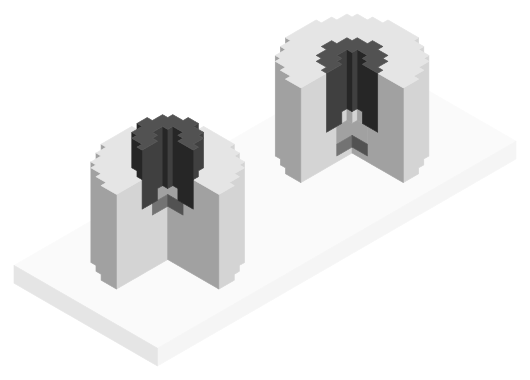
Insert length and minimum blind-hole depth for M2 to M5 heat-set inserts, standard, short and Voron, from the Ruthex and CNC Kitchen size tables.
AnswerHardware
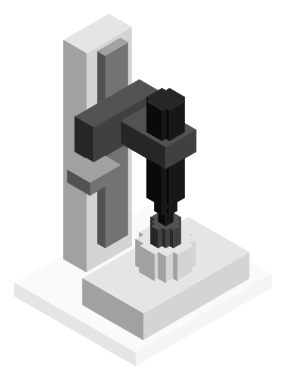
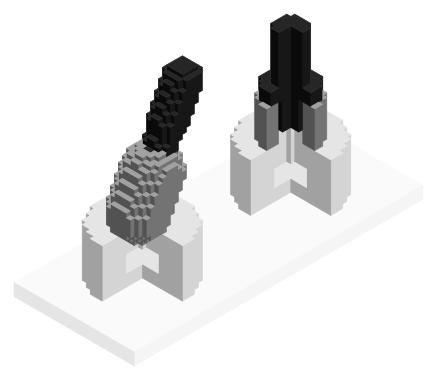
What a heat-set insert press is, the four kinds (printable, kit, drill-press conversion, industrial) with their published specs, and when a hand-held iron is enough.
AnswerHardware
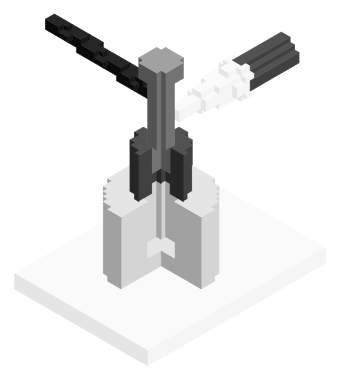
No, a clean ordinary tip works, but insert tips keep inserts square and lift out cleanly. Which tip sets fit which irons, which iron works and how to use one.
AnswerHardware
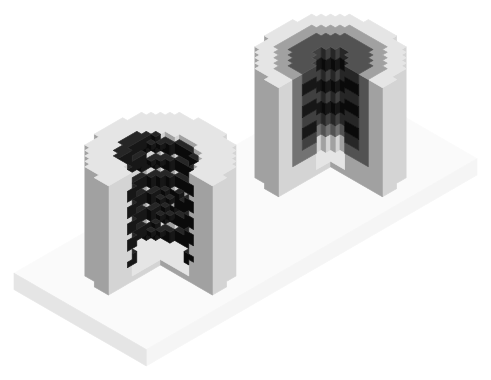
No-iron ways to fit heat-set inserts: a flame-heated screw, a hot plate, presses and cold options, with what controls the temperature and how each one fails.
AnswerHardware
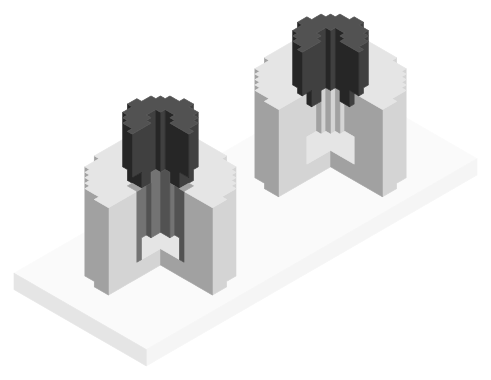
In CNC Kitchen's M3 test in PETG, a Helicoil and a heat-set insert pulled out at the same load, but the Helicoil stripped at 1 Nm against 3 Nm for the insert.
AnswerHardware
Hole diameter, hole depth and minimum wall for M2 and M2.5 heat-set inserts from the Ruthex and CNC Kitchen size tables, plus how much to oversize the hole in CAD.
AnswerHardware
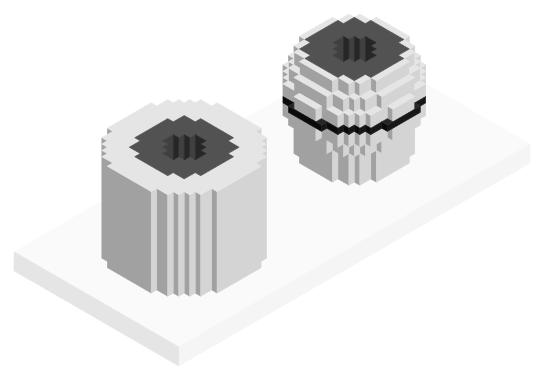
Hole diameter, depth and boss wall for standard and short M4 heat-set inserts: a 5.6 mm hole per Ruthex or 5.7 mm per CNC Kitchen for a 6.3 mm insert.
AnswerHardware
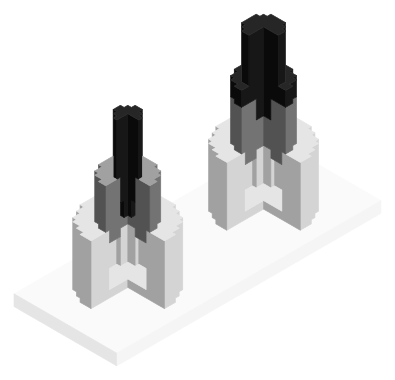
Hole diameter, hole depth and minimum boss wall for standard (M5 x 9.5) and short M5 heat-set inserts, from the Ruthex and CNC Kitchen size tables.
AnswerHardware
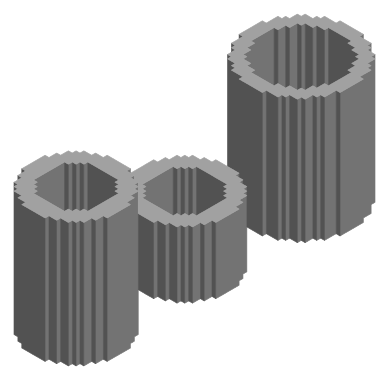
Hole diameter, hole depth and minimum boss wall for M6 (standard and short) and M8 heat-set inserts, from the Ruthex and CNC Kitchen size tables.
AnswerHardware
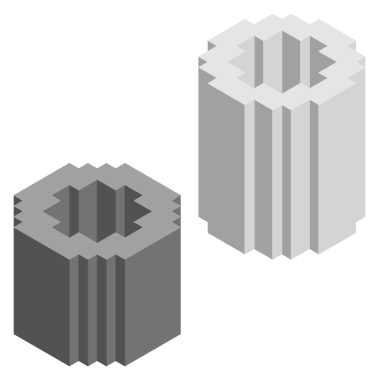
Voron printers use M3 heat-set inserts 5 mm across and 4 mm long (M3x5x4): the hole they need, how many each build takes, and the iron temperature for ABS and ASA.
AnswerHardware
Print ASA or PETG with 2 to 3 mm walls, seal the lid with an O-ring at 20 to 30 percent squeeze under screws, use IP68 cable glands and a vent, then test.
AnswerHardware
A numbered gear recipe (material, teeth, perimeters, infill, orientation) plus the 2022 Polymers wear test where PETG gears outlasted PLA by 22.3 percent and ABS by 37.

AnswerHardware
Published pressure results for printed parts: Prusa Research's 20 and 30 meter dives, a forum test at 5 to 8 bar, and the O-ring rule for threaded fittings.
AnswerHardware
Not automatically in the US: the FTC bars voiding a warranty just for a third-party part, but makers can refuse to cover damage that part caused.
AnswerHardware
An enclosure only traps heat from the bed, about 50 °C in Polymaker's printer figures; a heated chamber adds its own heater and holds a set 60 to 65 °C.
AnswerHardware
Not for PLA, PETG or TPU. Prusa requires a glue stick for ABS, ASA, nylon and PC Blend on textured PEI, and Bambu Lab says those four may need one.
AnswerHardware
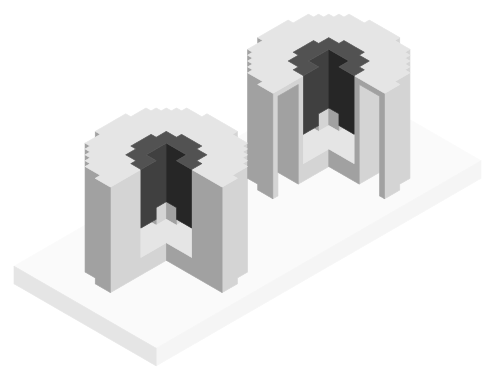
CNC Kitchen's measured pull-out loads for M3 heat-set inserts in PLA: 181 kg for Ruthex, 157 kg for eBay inserts, 39 kg for cheap ones, and how hole size changes it.
AnswerHardware
CNC Kitchen's M3 test in PETG: a bottom-pocket nut held 166 kg against 119 kg for a heat-set insert, but the insert took more torque. When each fastening wins.
AnswerHardware
Wash it when prints stop sticking, not on a schedule. Prusa wipes with about 90% IPA and saves soap for a last resort; neither maker allows acetone on textured PEI.
AnswerHardware
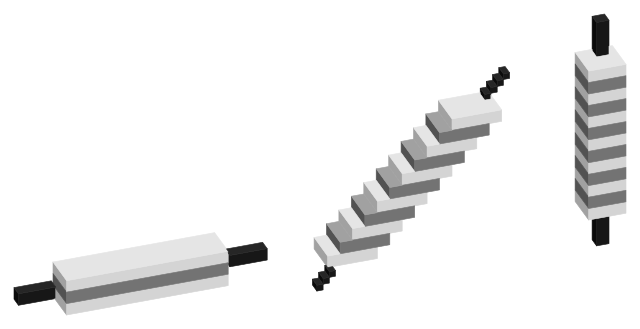
Lay the load along the layers: Bambu Lab PETG Basic pulls 51 MPa in XY and 35 MPa in Z, and CNC Kitchen's PLA coupons gained 27 percent tilted to 45 degrees.
AnswerHardware
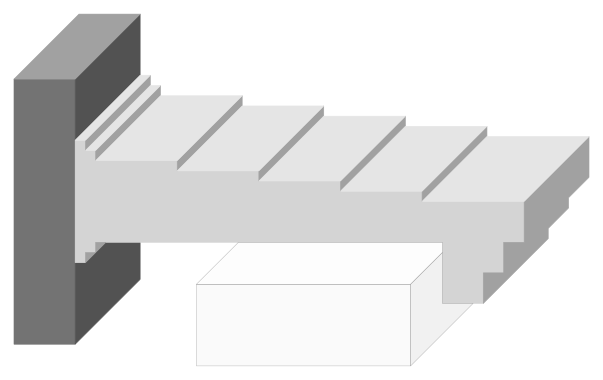
Cantilever clip rules from Bayer's snap-fit guide: taper the arm to half its root thickness, fillet the root, keep strain under 2.5 to 4 percent, print the arm flat.
AnswerHardware
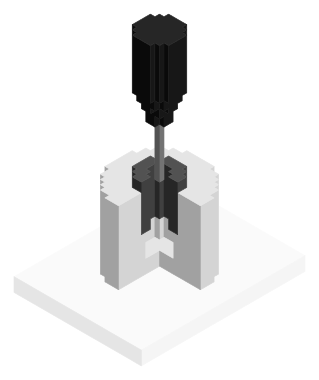
Yes: brass heat-set inserts hold in PETG at an iron temperature of about 245 °C, and the part stays rigid to a glass transition near 80 °C. Expect stringing from the tip.
AnswerHardware
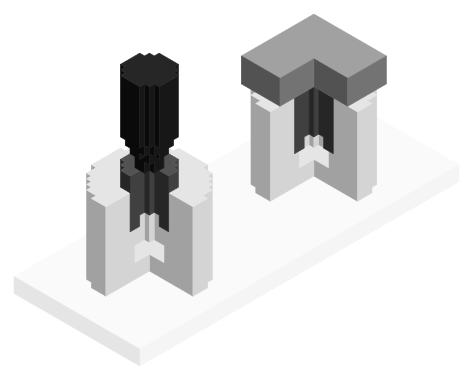
A soldering-iron procedure for square, flush heat-set inserts: iron 10 to 20 °C above printing temperature, melt about 90 % of the way, finish with a flat tool.
AnswerHardware
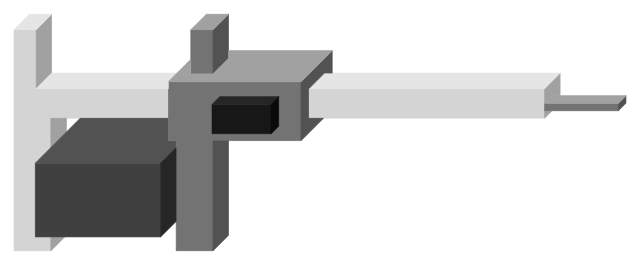
A digital-caliper procedure for outside, inside, depth and step measurements, with Mitutoyo's ±0.02 mm accuracy set against Prusa's 0.3 mm printer tolerance.
AnswerHardware
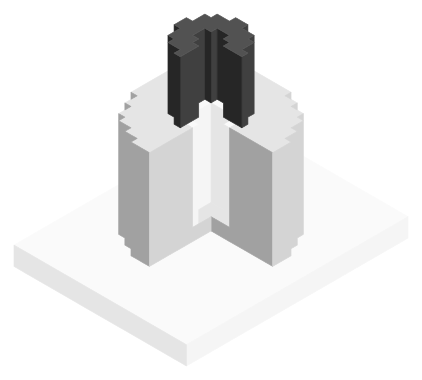
Hole diameter, hole depth and minimum boss wall for standard, short and Voron M3 heat-set inserts, taken from the Ruthex and CNC Kitchen size tables.