GuideHardware
Heat-set inserts for 3D prints: sizes, temperatures and installation
What brass heat-set inserts are, the M2 to M5 size families with hole and wall figures, the iron temperature rule, and the 181 kg M3 pull-out from CNC Kitchen's test.
The Asked 3D Content Team writes and maintains every answer and guide on the site. Each answer leads with the direct answer, cites the sources it relies on, and is re-checked when one of those sources changes. Corrections are logged on the corrections page with the date they were made.
Each answer takes one question as its heading, word for word, and puts the reply in the paragraph right under it, so that paragraph can be read on its own. Guides gather the answers on one subject into a longer page. What the site covers and how it is funded is set out on the about page, and what has changed since a page went live is on the corrections page.
Updated
GuideHardware
What brass heat-set inserts are, the M2 to M5 size families with hole and wall figures, the iron temperature rule, and the 181 kg M3 pull-out from CNC Kitchen's test.
GuideHardware
Printed parts are weakest across layers: Bambu Lab PETG Basic pulls 51 MPa in XY and 35 MPa in Z; Prusament PETG's interlayer adhesion is 18 MPa against 47 MPa flat.
GuideTroubleshooting
Prints leak by default. Prusa Research's fix: 4 to 6 perimeters, 105 to 110 percent flow, 0.15 mm layers, one vase-mode wall, and epoxy for parts that must stay sealed.
AnswerMaterials
Your printer's own: shipped ABS and ASA profiles use 0.7 to 0.8 mm on direct-drive Prusa and Bambu printers (0.4 mm for Bambu ABS) and 2.5 to 6.5 mm on Bowden.
AnswerHardware
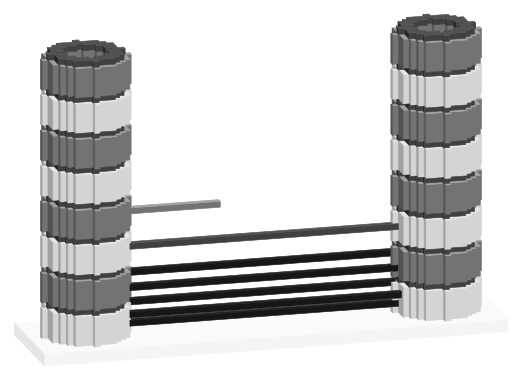
Print a retraction tower (OrcaSlicer tests 0 to 2 mm in 0.1 mm steps, a new length every 1 mm of height) and keep the shortest length whose band prints clean.
AnswerTroubleshooting
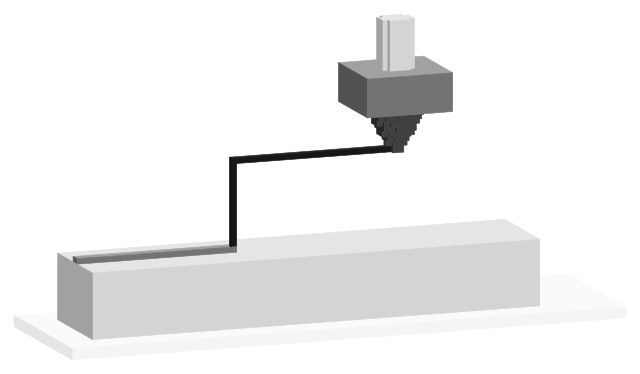
Yes. Prusa says a lower Lift Z improves stringing. Keep the hop low (Bambu Studio ships 0.4 mm) and lift on a slope, spiral or ramp instead of straight up.
AnswerHardware
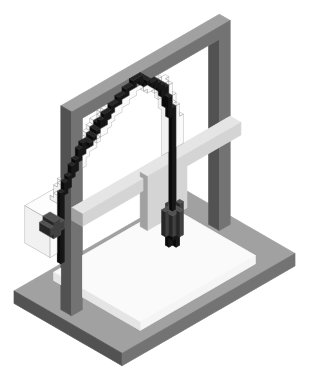
Bowden Ender-3, Pro and V2: 4 to 6.5 mm (Cura gives the Ender-3 and V2 5 mm at 45 mm/s). Direct-drive S1, S1 Pro, V3 SE and V3 KE: 0.5 to 1.2 mm.
AnswerMaterials
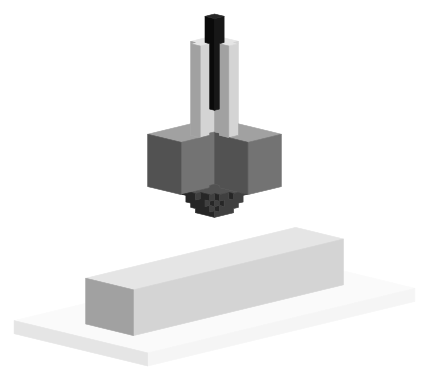
Shipped PETG profiles retract 0.4 to 1 mm at 30 to 45 mm/s on direct-drive printers and 2.5 to 8 mm on Bowden printers, close to each printer's PLA values.
AnswerMaterials
Shipped PLA profiles retract 0.4 to 0.8 mm at 30 to 50 mm/s on direct-drive printers and 2.5 to 6.5 mm at 45 to 70 mm/s on Bowden printers.
AnswerTroubleshooting
Pull or cut the loose strings, then hit the fine wisps with a heat gun at about 200 °C for one or two seconds. Longer can deform PLA, which softens at 54 to 60 °C.
AnswerHardware
Direct drive: 0.7 to 0.8 mm, as Bambu Lab, Prusa and Creality profiles ship. Bowden: 2.5 to 6.5 mm (Prusa MINI 2.5 to 3.2 mm, UltiMaker S5 6.5 mm).
AnswerTroubleshooting
Soft filament is pulled up into the heatbreak and jams, the gear grinds it, and lines restart with gaps. Bambu Lab and Prusa's MK3S cap it at 2 mm.
AnswerHardware
How far Bambu Studio and OrcaSlicer pull filament back before the cutter cuts it at a filament change: 18 mm by default, and the field only accepts 10 to 18 mm.
AnswerHardware
Printer settings > Extruder > Retraction: Bambu Lab profiles ship 0.8 mm length and 0.4 mm Z hop. Per filament: Filament settings > Setting Overrides, which wins.
AnswerHardware
Print settings panel, Show Custom, Travel category. Most fields are hidden: search "retract". Cura's base Retraction Distance is 6.5 mm at 25 mm/s.
AnswerHardware
Use your profile's value: 30 mm/s on Bambu Lab printers, 35 to 45 mm/s on Prusa's direct-drive printers, 70 mm/s on the Bowden Prusa MINI, 25 mm/s in Cura.
AnswerMaterials
Start from your slicer's TPU profile: 0.4 mm on Bambu Lab X1 Carbon, P1S and A1, 2.5 mm on Prusa MK4S and CORE One, off on the MK3S, 3 to 8 mm on Bowden printers.
AnswerHardware
Pulling filament back before a travel move so the nozzle stops oozing: 0.8 mm at 30 mm/s in Bambu Studio's X1 Carbon profile, 3.2 mm at 70 mm/s on a Bowden Prusa MINI.
AnswerHardware
Z hop lifts the nozzle after a retraction so travel moves clear the print. Bambu Studio ships it on at 0.4 mm; UltiMaker Cura ships it off, set to 1 mm.
AnswerTroubleshooting
Stringing is plastic leaking from the nozzle on travel moves. Check a wet spool first, then heat (UltiMaker: 5 °C lower per print), retraction and long travels.
AnswerTroubleshooting
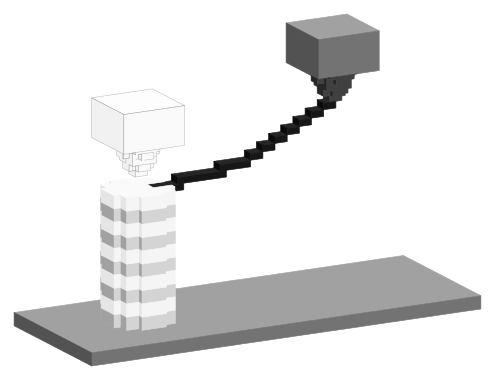
Shipped profiles run PETG 20 to 35 °C hotter than PLA, and its melt draws out into threads. Dry it, drop the nozzle 5 to 10 °C, and expect a few fine hairs.
AnswerHardware
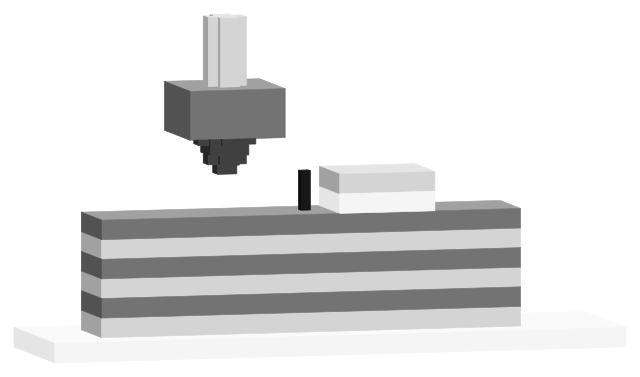
0.2 to 0.4 mm on a 0.4 mm nozzle. Bambu Studio and OrcaSlicer ship 0.4 mm, PrusaSlicer 0.4 mm on the Prusa MK3S and 0.2 mm on the MINI, Cura's Creality profiles 0.2 mm.
AnswerHardware
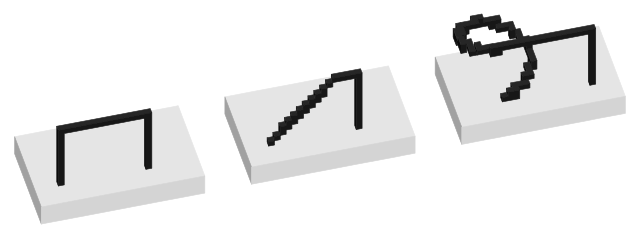
Keep your profile's type: Bambu Lab printer profiles ship Auto, which picks Slope or Spiral per travel. OrcaSlicer's own default is Slope at a 3° Traveling angle.

AnswerHardware
Yes. Copy the 3/4-11.5 NH garden hose thread, not 3/4 in NPT, let a rubber washer seal a flat face, and print PETG or ASA upright with four or more walls.
AnswerHardware
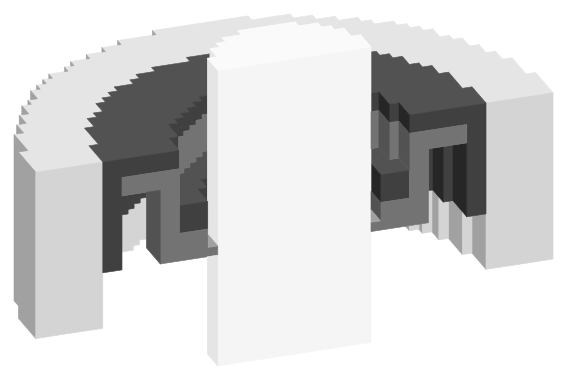
Only as a stopgap on a slow shaft. A molded nitrile oil seal is rated to 80 °C and 10 m/s; NinjaFlex TPU deflects at 60 °C. Never print a hydraulic seal.
AnswerMaterials
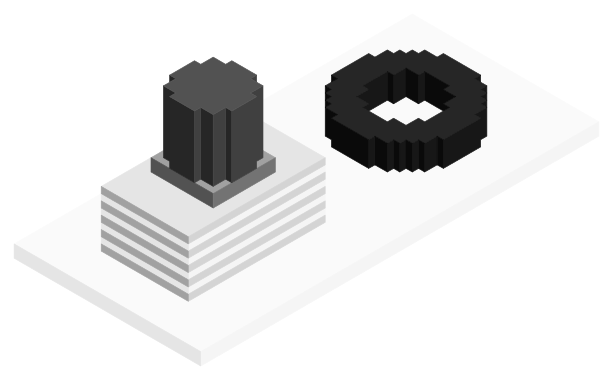
Not vulcanized rubber, which never melts. Filament printers print rubber-like TPU and TPE in 60A to 95A Shore grades, spanning Parker's 70A to 80A O-ring range.
AnswerMaterials
No. Data sheets list PLA, PETG, ABS, ASA, nylon and TPU as insoluble in water. Only PVA and BVOH support filaments dissolve, in a few hours to overnight.
AnswerMaterials
A closed print with sparse infill usually floats. Solid PLA (1.24 g/cm³), PETG, ABS and nylon sink in water (1.00 g/cm³); polypropylene (0.9 g/cm³) floats.
AnswerMaterials
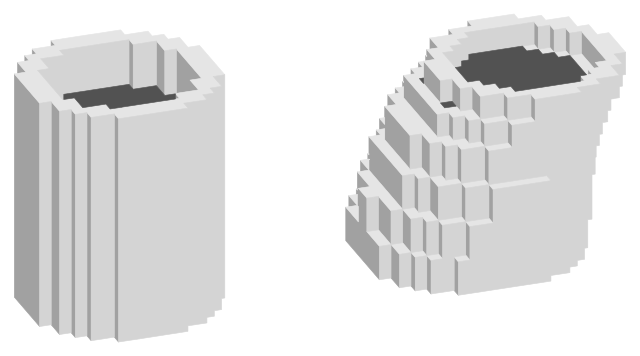
PLA holds cold water: Prusa's PLA pots showed no leaks and its boxes stayed dry at 20 m. It softens above 60 °C, and Prusa does not recommend prints as food containers.
AnswerMaterials
Brush a cured coat of XTC-3D epoxy over the cavity, then the release agent your casting maker names. Test platinum silicone on a sealed scrap: it can stay tacky.
AnswerMaterials
Coat it in an epoxy its maker rates safe near reptiles and cure it fully. Bearded dragons bask at up to 42 °C (108 °F) and PLA softens at 57 °C: use PETG or ASA there.
AnswerMaterials
UV printer resin brushed on hardens only where 405 nm light or sunlight lands, and no maker documents it as a sealant. Uncured, it carries H317 (skin allergy).
AnswerMaterials
Yes for seams and joints, not as a coat: silicone sealant is not paintable, goes on at least 1/8 in (3.2 mm) thick and is water ready in 30 minutes to 12 hours.
AnswerMaterials
Let the paint dry (72 hours to two weeks for Liquitex acrylics), then brush or spray two or three thin clear coats. Keep to each maker's recoat time.
AnswerHardware
Print the hull with 4 perimeters (2 in ASA), brush epoxy inside and out, grease the stuffing tube, seal the rudder and hatch, then float-test it overnight.
AnswerTroubleshooting
Watertight means a closed mesh: no holes, every edge shared by exactly two faces and every face pointing outward, so the slicer can tell inside from outside.
AnswerMaterials
Mostly no. Run ABS with the part fan off or low: PrusaSlicer's Generic ABS keeps it off, Bambu ABS runs 10%, and both raise it for bridges and fast layers.
AnswerTroubleshooting
Pressure left in the nozzle keeps pushing plastic out as the head slows for the corner. Tune pressure advance: Klipper ships it at 0 and Marlin with it disabled.
AnswerTroubleshooting
Each overhang layer rests partly on air; past about 45° from vertical, soft plastic sags before it cools. Fix: full fan, slower overhangs, a cooler nozzle.
AnswerMaterials
A moderate fan, about 20 to 60%, not PLA's 100%. Prusa's PETG profile runs 30 to 50%, Bambu's 20 to 40%; both keep it off for 3 layers, more for bridges.
AnswerMaterials
Run PLA's part cooling fan at 100%, off on the first layer for bed adhesion. Prusament's data sheet says 100%; some printer profiles start at 50 to 85% and ramp up.
AnswerHardware
Bambu Studio calls it flow dynamics: Calibration tab > Flow Dynamics saves a K value on the printer. The 0.02 field in filament settings is for third-party printers.
AnswerHardware
A Klipper [extruder] setting: the window, in seconds, over which pressure advance is averaged. Default 0.040 s, maximum 0.200 s; larger is smoother but blurs corners.
AnswerTroubleshooting
Rounded corners, lines that thin into a corner and gaps between perimeters mean pressure advance is too high: lower it. Over 0.200, Klipper's extruder may skip.
AnswerMaterials
Shipped PLA profiles use 0.02 to 0.05 on direct-drive printers with a 0.4 mm nozzle (0.036 on a Prusa Core One) and 0.2 to 0.27 on a Bowden Prusa MINI.
AnswerHardware
Yes for ABS, ASA, PC and nylon: profiles run the part fan off or at 10 to 20% on long layers. PLA needs it for bridges and overhangs. Never turn off the hotend fan.
AnswerHardware
Pick the band, line or corner that prints most evenly. On a tower, value = start + height x step: OrcaSlicer's example is 0 + 8 mm x 0.002 = 0.016.
AnswerTroubleshooting
Small layers print in seconds, so the next lands before the last one cools. Set a minimum layer time (4 to 12 s in stock PLA profiles) and keep the fan at max.
AnswerHardware
It runs the extruder ahead as the head speeds up, so lines keep full width. K sets how much: about 0.1 to 2.0 in Marlin, set with M900 K; M900 K0 turns it off.
AnswerHardware
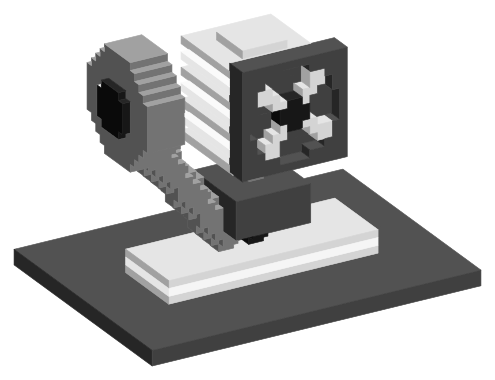
It cools plastic leaving the nozzle so it sets before the next line lands, making bridges, overhangs and fine tips work. Base PLA profiles run it at 100% after layer 1.
AnswerHardware
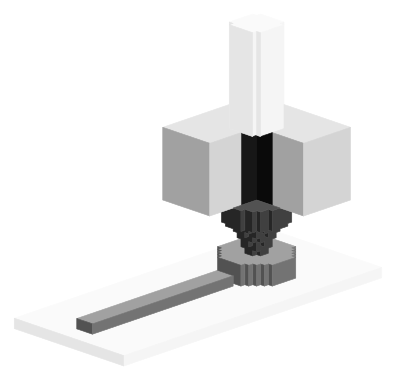
A firmware setting that pushes extra filament in as the head speeds up and pulls it back as it slows. Klipper ships it at 0 (off); typical values are 0.050 to 1.000.
AnswerTroubleshooting
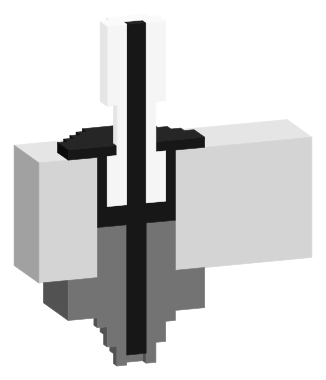
The nozzle is not sealed against the heatbreak. Reseat it, then tighten it hot: E3D says 285 °C and 2 Nm for a brass V6 nozzle, Prusa 280 °C and 2.5 Nm on the MK3S.
AnswerTroubleshooting
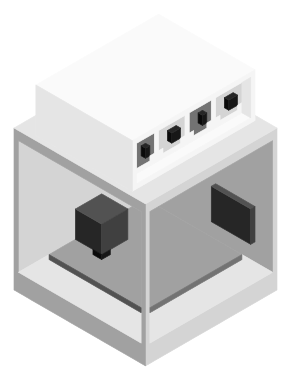
An HMS error is a Health Management System alert. Its 16-character code names the module that raised it and the severity, and its wiki page gives the fix.
AnswerTroubleshooting
Marlin halts if the bed gains less than 2 °C in 60 s after a heat command. Check the bed's power terminals and solder joints first, then the board output and supply.
AnswerTroubleshooting
The hotend warmed too slowly after a heat command, so the printer halted. Marlin 2.1.1 and later want 2 °C in 40 s. A damaged or loose heater cable is the usual cause.
AnswerTroubleshooting
The axis never triggered its endstop or probe. Marlin and Klipper search 1.5 times the axis travel, then stop: check the switch, the probe and the mechanics.
AnswerTroubleshooting
The hotend fan is too slow or stopped (HMS_0300-0300-0001-0001). Clear strings, reseat its 4-pin plug and retest at 51 °C: the fan runs above 50 °C.
AnswerTroubleshooting
Klipper blocks every extruder move while the hotend reads below min_extrude_temp, 170 °C by default. Usually a macro extruded before M109 finished heating.
AnswerTroubleshooting
Klipper's host stopped hearing a board: a 5th unanswered clock query, sent every 0.98 s, trips it. Check the USB cable, power and noise, then FIRMWARE_RESTART.
AnswerTroubleshooting
MINTEMP is a safety shutdown: Marlin trips below 5 °C, usually from an unplugged or broken thermistor wire. What to check, including a Prusa MK4 after a nozzle swap.
AnswerTroubleshooting
A heater stayed below target too long (Marlin: 4 °C for 40 s). Usual causes: a loose thermistor, heater or wiring fault, fan on the block or untuned PID.
AnswerMaterials
Dry ABS and ASA at 80 °C (176 °F): 8 hours on Bambu Lab's data sheets, 4 hours for Prusament ASA. Polymaker uses 70 °C for 6 to 7 hours.
AnswerMaterials
Mostly no: at the maker's temperature, no maker names harm from extra hours for PLA or PETG. Heat above it fuses coils; nylon and PC can turn brittle.
AnswerMaterials
Usually not from an intact vacuum bag. Dry PETG once an opened spool has sat out or pops: Bambu Lab's line is 72 hours in air above 50% RH.
AnswerMaterials
Not from a sealed bag. Dry PLA once an opened spool has sat in room air or it pops and strings: Bambu Lab says 55% RH air re-wets filament in 2 to 12 hours.
AnswerHardware
Only the Bambu Lab AMS 2 Pro (up to 65 °C) and AMS HT (up to 85 °C) dry filament. The original AMS and AMS lite don't heat. AMS 2 Pro PETG preset: 65 °C, 12 h.
AnswerMaterials
Yes for PLA, PETG and TPU: Nesco, COSORI and Presto dehydrators reach 71 to 74 °C. Not for nylon or PC, which need 75 to 90 °C. Lift the trays out to fit the spool.
AnswerMaterials
Only if the oven holds the drying temperature. GE's Warm mode bakes at 170 °F (77 °C), past PLA's 60 °C glass transition. Bambu Lab says no; Prusa allows one.
AnswerMaterials
Yes, on dryers built for it. Bambu Lab's AMS 2 Pro and AMS HT drop to 45 °C with PLA and 55 °C with PETG once a print starts; standalone dryers hold their setting.
AnswerMaterials
Yes, at the PLA's setting only. Makers dry PLA at 45 to 55 °C and PETG at 55 to 65 °C, so the ranges meet only at 55 °C, Prusa's 6-hour PETG setting.
AnswerMaterials
Dry PLA at 45 to 55 °C, PETG at 55 to 65 °C, TPU at 60 to 70 °C and nylon at 75 to 100 °C, for 4 to 12 hours, per Bambu Lab, Prusa and Polymaker.
AnswerTroubleshooting
Once the spool is dry, stringing comes from settings: Prusa says lower the nozzle 5 to 10 °C, Bambu Lab adds retraction up to 2 mm and shorter travel.
AnswerMaterials
PVA and PA6 nylon absorb the most: 6.25% and 2.35 to 2.56% at saturation on Bambu Lab's data sheets, against 0.43% for PLA and 0.25% for PC.
AnswerMaterials
Heat the spool below its softening point, then seal it with desiccant. Bambu Lab's oven setting is 50 °C for PLA and 60 to 65 °C for PETG, for 8 hours.
AnswerTroubleshooting
Wet filament pops or hisses at the nozzle, bubbles, strings and prints rough. To confirm, dry it (PLA 50 °C, PETG 60 to 65 °C, 8 hours) and reprint.
AnswerMaterials
Most nylon sheets say 6 to 12 hours at 80 to 100 °C: Bambu Lab PA6-CF 80 °C for 8 to 12 h, Polymaker Fiberon 100 °C for 10 h, Prusament PA11 CF 90 °C for 6 h.
AnswerMaterials
Dry PETG at 55 to 65 °C (131 to 149 °F) for 6 to 8 hours. Prusa sets 55 °C, Bambu Lab 65 °C, Polymaker 60 to 65 °C. None of them goes above 65 °C.
AnswerMaterials
Dry PLA at 45 to 55 °C (113 to 131 °F) for 6 to 8 hours. Bambu Lab sets 50 °C for 8 hours, Polymaker 55 °C for 6, Prusa 45 °C for 6. Silk and PLA-CF take 55 °C.
AnswerMaterials
Seal it in an airtight bag or box with desiccant below 20% RH, Bambu Lab's target for PLA, PETG, TPU, PC and nylon. Room air can re-wet it in 2 to 12 hours.
AnswerMaterials
Dry TPU at 70 °C for 8 hours, per Bambu Lab and Polymaker data sheets. Prusa dries Prusament TPU 95A at 60 °C for 4 hours. Bambu's TPU spools take 90 °C.
AnswerMaterials
Yes: printing from wet filament cost polycarbonate up to 30% of its strength along the lines and 70% across them, ABS 25% and PA6 nylon 43%. PLA held a week at 65% RH.
AnswerMaterials
Use 90 to 100 °C for ABS: Bambu Lab's range on PEI and Engineering plates. Prusa defaults to 100 °C, and the Bambu Lab P1S bed tops out at 100 °C.
AnswerMaterials
Set the bed to 100 °C for ASA, Bambu Studio's default. Data sheets run from 75 °C (Polymaker) to 110 °C (Prusa), always with glue and an enclosure.
AnswerTroubleshooting
Bambu Lab's X1C and P1S guides load PLA at 220 to 230 °C and pull at 70 to 100 °C; the H2D, H2S and P2S run it from Toolbox > Nozzle Cold Pull Maintenance.
AnswerHardware
Usually not. Prusa puts its steel sheet about 5 to 10 °C below the heatbed sensor, and a thermal camera read 56 °C on a Prusa i3 MK3 bed set to 60 °C.
AnswerTroubleshooting
Yes, up to a point: Prusa adds 5 to 10 °C when a material won't stick, but makers stop near the glass transition, 61 °C for PLA and 81 °C for PETG.
AnswerMaterials
Bambu Lab sets PLA at 45 to 65 °C on PEI, PETG 60 to 80 °C, ABS and ASA 90 to 100 °C, PC and nylon 100 to 120 °C. Fiber-filled grades match their base plastic.
AnswerTroubleshooting
Let it cool: Prusa waits for room temperature and Bambu Lab for 35 °C or lower on textured PEI. On Bambu's SuperTack plate, reheat a stuck print to about 50 °C.
AnswerTroubleshooting
The first layers stay soft and squash out into elephant foot; Polymaker caps PLA at 60 °C. Too hot also clogs nozzles and bonds PETG hard enough to tear PEI.
AnswerTroubleshooting
Yes. In a 2021 ABS test, corner lift was lowest at a 90 °C bed, 0.89 mm, and grew both cooler and hotter: 1.65 mm at 80 °C, 1.37 mm at 100 °C.
AnswerHardware
Bed temperature sits in the filament preset, one row per plate type. Bambu Studio's PLA Basic profile runs 55 °C on Textured PEI on X1 and P1S, 65 °C on the A1.
AnswerTroubleshooting
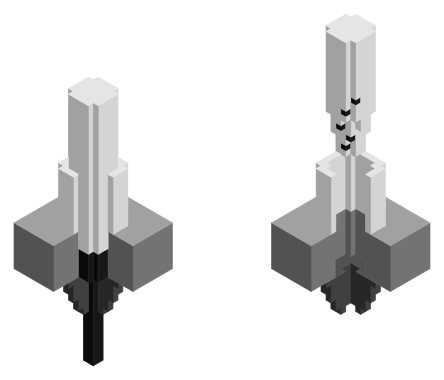
Neither: they do different jobs. Cleaning filament such as eSUN eClean flushes old material at 160 to 300 °C; a cold pull drags debris out at 80 to 160 °C.
AnswerTroubleshooting
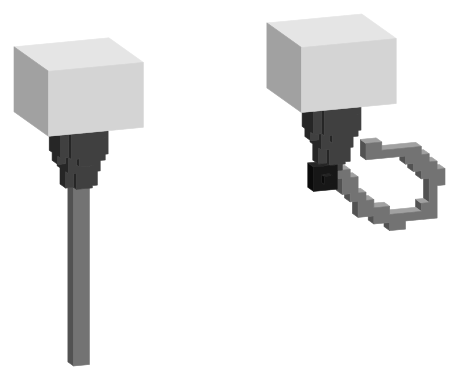
No filament comes out, lines print thin with gaps, the extruder clicks, or a purged strand curls back onto the nozzle. Prusa tests it at 260 °C for PLA.
AnswerTroubleshooting
TPU is too soft to push old filament out of the nozzle. Bambu Lab says cold pull with PLA or PETG first: flush at 250 °C, pull PLA at 70 to 100 °C.
AnswerMaterials
Prusa's tests found PLA works best for a cold pull, at 85 to 100 °C. Bambu Lab adds PETG for high-flow nozzles; Creality favors nylon at 140 to 160 °C.
AnswerTroubleshooting
Pull PLA at 70 to 100 °C after heating to 200 to 270 °C. UltiMaker pulls ABS and cleaning filament at 140 to 160 °C; Creality gives 120 °C for PETG.
AnswerHardware
No. Prusa says PLA does not require a heated bed, and Polymaker and Overture start their bed range at 25 °C. Prusa still recommends a 60 °C bed.
AnswerMaterials
Bambu Lab's heated-bed drying table sets 60 to 70 °C for PLA, 75 to 85 °C for PETG and 80 to 90 °C for TPU, for 12 hours, spool covered and printer closed.
AnswerTroubleshooting
A blockage makes the motor skip steps. Check for a nozzle clog, then first layer height, heat creep, speed (8 to 12 mm³/s on an all-metal hotend) and the gears.
AnswerTroubleshooting
Heat the hotend to 260 °C after PLA or 280 °C after PETG, push a 1.5 mm rigid wire down from the top, or pull the stub up hot with pliers.
AnswerMaterials
Take the bed range from the data sheet's recommended print settings, for your plate (Prusament PLA: 40 to 60 °C). Raise 5 to 10 °C if the first layer won't stick.
AnswerTroubleshooting
Most slicer defaults use one bed temperature for all layers. PrusaSlicer starts PETG at 85 °C then 90 °C; OrcaSlicer starts ABS at 105 °C then 100 °C.
AnswerTroubleshooting
Clear the jam at 250 °C, cold pull from 220 to 100 °C, then cut the heat: hotend fan always on, door open for PLA on a 45 °C+ bed, retraction 2 mm or less.
AnswerHardware
Not by itself. Hardened steel conducts heat about a fifth as well as brass, so Prusa adds about 5 °C and Slice Engineering 5 to 10 °C to keep the melt hot enough.
AnswerHardware
Consumer heated beds top out at 80 to 120 °C: Bambu A1 mini 80 °C, P1S 100 °C, X1C 110 °C, Ender-3 110 °C, and H2D, Prusa MK4S and CORE One+ 120 °C.

AnswerTroubleshooting
Wipe the outside before each print and cold pull the inside about monthly, Bambu Lab's minimum. Prusa's INDX guide says 200 print hours; UltiMaker 100 to 400.
AnswerTroubleshooting
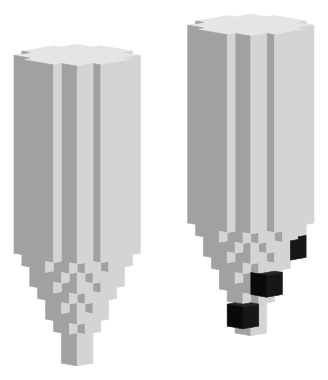
Fill the nozzle at printing temperature, cool it to 70 to 100 °C for PLA or 140 to 160 °C for nylon, then pull up. A good tip is a cone with the nozzle's imprint.
AnswerTroubleshooting
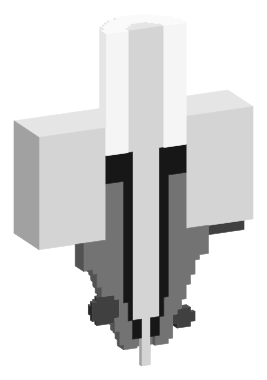
Burnt plastic from filament left in a hot nozzle. Marlin's optional idle timeout cuts the heater after 5 minutes; Prusa brushes the outside at 250 °C.

AnswerTroubleshooting
A 0.3 to 0.35 mm needle, the size Prusa Research bundles, pushed 1 to 2 cm up from below with the nozzle hot. It must be thinner than the 0.4 mm bore.
AnswerTroubleshooting
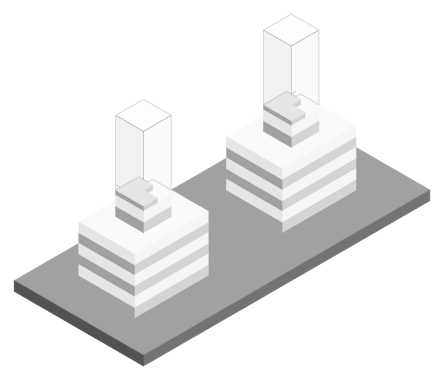
Repeat clogs are usually heat creep: Prusa flags rooms above 35 °C and enclosed PLA. Wet or dirty filament, printing too cold and long retractions cause the rest.
AnswerMaterials
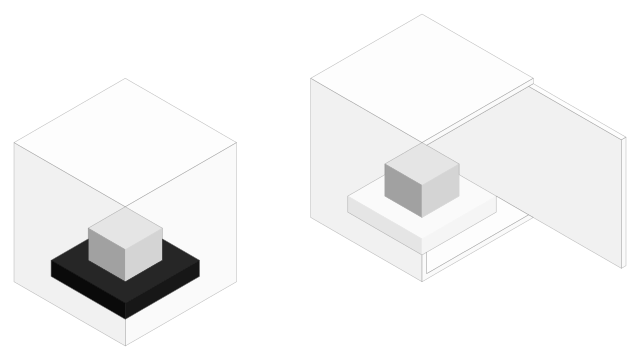
Bambu Lab sets 80 to 100 °C for its nylons on a glued PEI or Engineering plate, Prusa 110 °C on a PA Nylon sheet. Polymaker's nylons run at 25 to 50 °C.
AnswerMaterials
About 70 to 80 °C. Bambu Lab lists 60 to 80 °C for all its PETG, Prusa runs 85 then 90 °C. Put glue stick on smooth PEI or glass first.
AnswerTroubleshooting
PETG residue stays in the hotend when PLA goes in at 190 to 230 °C. Load the PLA at the PETG temperature, 230 to 260 °C, so it pushes the old plastic out.
AnswerMaterials
Use 55 to 60 °C on smooth or textured PEI and 35 °C on a Bambu Cool Plate. Maker guidance spans 25 to 65 °C across Basic, Matte, Silk, PLA+ and PLA-CF.
AnswerMaterials
Polycarbonate needs a 90 to 120 °C bed. Bambu Lab lists 90 to 110 °C, Polymaker 90 to 105 °C and Prusament PC Blend 110 ± 10 °C; PC-ABS takes 90 to 105 °C.
AnswerMaterials
30 to 45 °C covers most TPU. Bambu Lab lists 30 to 35 °C for its 85A, 90A, 95A HF and 68D grades; Polymaker allows 25 to 60 °C and Prusa 60 to 75 °C.
AnswerTroubleshooting
Heat the nozzle to 260 °C for PLA or 280 °C for PETG and push filament through, then use a 0.3 to 0.35 mm needle, a cold pull, and finally a nozzle swap.
AnswerTroubleshooting
Bambu Lab's guides heat the nozzle to 250 °C for PLA, run the included pin up and down in the tip, then cold pull. If the clog survives that, swap the hotend.
AnswerMaterials
Yes: Bambu Lab says damp nylon, PC and fiber-filled filament are prone to clogging. Wet PLA mostly bubbles and strings. Dry PLA at 45 to 55 °C for 6 to 8 hours.
AnswerMaterials
It keeps the first layers stuck and stops them shrinking off the plate. Polymaker sets it just under the glass transition: PLA at 25 to 60 °C against a 61 °C Tg.
AnswerTroubleshooting
Heat rising into the heatbreak softens filament above the melt zone until it jams. PLA's glass transition is 60 °C; Bambu Lab opens the door over a 45 °C bed.
AnswerHardware
Small trim, yes, in ASA and in sections: a common desktop printer builds a 256 mm cube, a Civic is 70.9 in wide, and a printed bumper cover adds no crash protection.
AnswerMaterials
Not internal engine parts. Suppliers rate the engine area at 125 °C (257 °F) and on-engine parts at 150 °C, above the HDT of PETG, ABS, ASA and PC filament.
AnswerHardware
Mercedes-Benz Classic 3D prints PA12 sunroof rollers for the W 123. What carmakers print for classic cars, and which old trim parts a home printer can copy.
AnswerHardware
Yes for bin clips, shelf supports and drawer rails at 40 °F (4 °C). PETG or ABS beats PLA on impact. Gaskets, sealed-system, electrical and water-line parts stay OEM.
AnswerHardware
Yes, for personal use. The brick patent expired in 1978, but LEGO molds to 1/200 mm and Prusa quotes 0.3 mm XY, so tune XY compensation on a test brick first.
AnswerHardware
A car-part printer needs the material's numbers: 270 °C and an 80 °C bed for PETG trim, an enclosure for ASA, 300 °C and a hardened nozzle for carbon-fiber nylon.
AnswerHardware
Yes for trim, clips and mounts, never brakes, steering or airbags. Sunlit dashboards average 157 °F (69 °C), past PLA's 57 °C HDT; ASA and PC clear it.
AnswerMaterials
A sunlit dashboard averaged 157 °F (69 °C), so dash parts need ABS, ASA or PC. Shaded cabin parts take PETG, exterior parts ASA, flexible parts TPU.
AnswerMaterials
Manufacturer HDT and Tg figures for PLA, PETG, ABS, ASA, nylon, PC and PP set against the 150 °F dishwasher sanitize rinse, with margins in °C.
AnswerMaterials
PLA showed no strength loss after a year at 25 °C, but 24 h of lab UV-B cut clear PETG's strength 36% and a hot soak halved carbon-fiber nylon's.
AnswerHardware
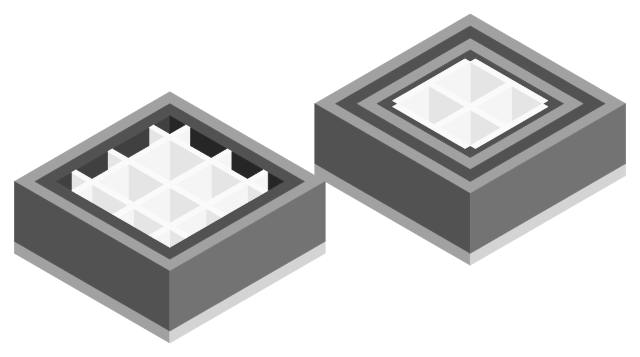
Seven steps from broken part to fitted print: check it is legal, find a model, measure to 0.01 mm, add 0.15 to 0.40 mm clearance, pick a filament, orient it, test-fit.
AnswerBusiness
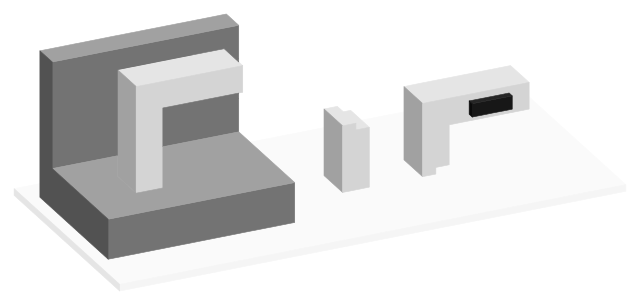
What utility patents, design patents, trademarks and copyright each cover on a replacement part, the term of each, and how the repair doctrine applies to printing one.
AnswerHardware
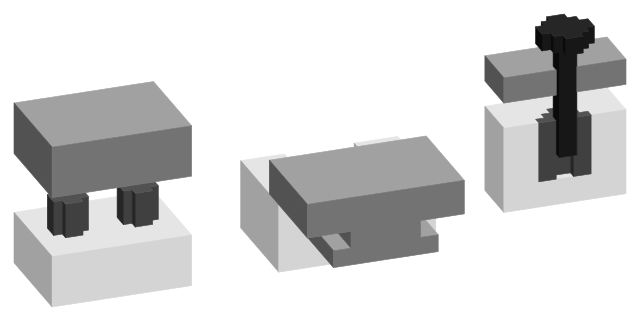
CA glue for PLA, PETG, ABS and nylon, acetone for ABS and ASA, epoxy for mixed plastics, a primer for PP, and 0.15 to 0.5 mm clearances for pins, dovetails and clips.
AnswerHardware
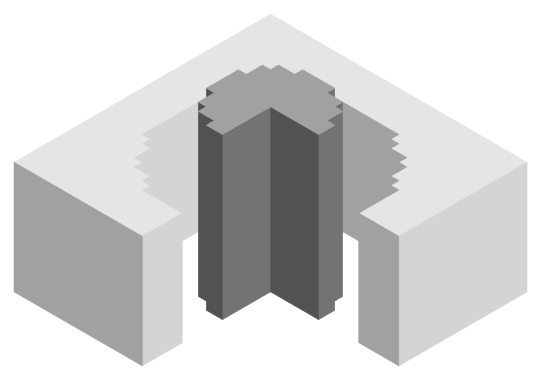
Design in clearance instead of copying the measurement: 0.15 to 0.20 mm for a snug fit, 0.20 to 0.25 mm sliding, 0.30 to 0.40 mm loose, then check with a tolerance print.
AnswerHardware
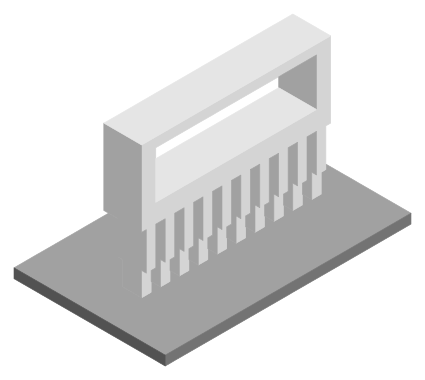
Official printable spares from Philips (seven files on Printables, October 2026), Framework and Miele, plus the five repositories where car and Dyson parts live.
AnswerBusiness
Where to get a part printed in the US: libraries charging $0.10 per gram of PLA, makerspaces, and online services that quote on volume, material and machine time.
AnswerHardware
Yes, in TPU for low-pressure, low-heat joints: 95A, 1.5 to 2.5 mm thick, 15 to 25% squeeze. Prusa's printed gaskets all leaked, so pressure needs a stock O-ring.
AnswerTroubleshooting
Thin-walled ones do. Prusa's PLA flower pots held water; its tests needed 4 perimeters for PLA and PETG and 5+ bottom layers. Seal the inside or print a saucer.

AnswerTroubleshooting
A vase-mode wall is one line thick, so any gap leaks. Fix: 105 to 110 percent flow, a 0.6 mm outer wall, 5+ bottom layers, or coat the inside or add a liner.
AnswerMaterials
Coat the print in a sealant its maker calls fish safe once cured, such as Pond Armor Pond Shield (24 hours to cure), and use natural PLA or PETG with no added color.
AnswerHardware
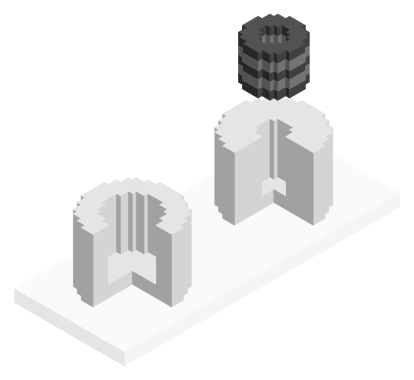
Yes, twice over: the brass thread takes a screw in and out many times, and a pulled insert can be set again in a fresh hole. What to check, and what can't be reused.
AnswerHardware
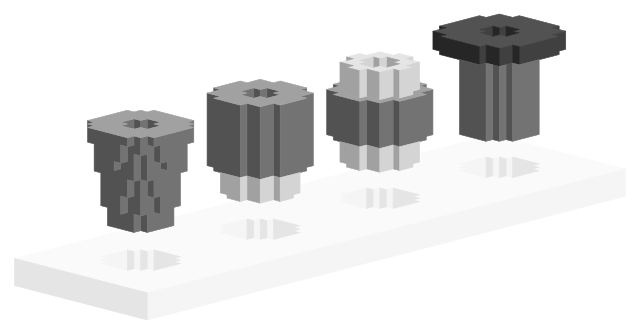
Which end of a heat-set insert goes into the hole first, for tapered, straight-with-pilot, symmetric and flanged inserts, from Ruthex, CNC Kitchen and SPIROL drawings.
AnswerHardware
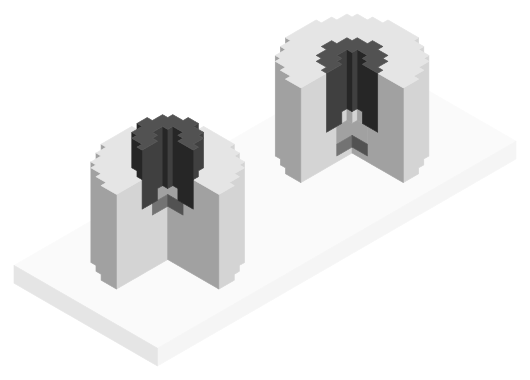
Insert length and minimum blind-hole depth for M2 to M5 heat-set inserts, standard, short and Voron, from the Ruthex and CNC Kitchen size tables.
AnswerHardware
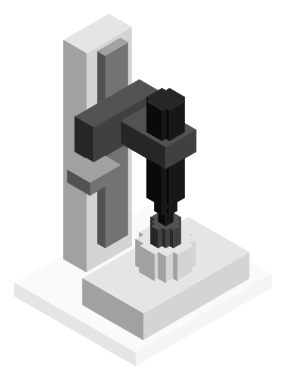
What a heat-set insert press is, the four kinds (printable, kit, drill-press conversion, industrial) with their published specs, and when a hand-held iron is enough.
AnswerHardware
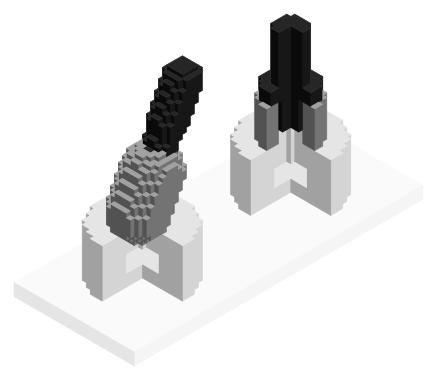
No, a clean ordinary tip works, but insert tips keep inserts square and lift out cleanly. Which tip sets fit which irons, which iron works and how to use one.
AnswerMaterials
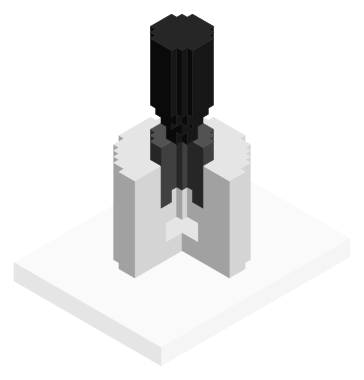
Iron temperature per material for heat-set inserts: about 225 °C for PLA, 245 °C for PETG and 265 °C for ABS, from CNC Kitchen's printing temperature plus 10 to 20 °C.
AnswerMaterials
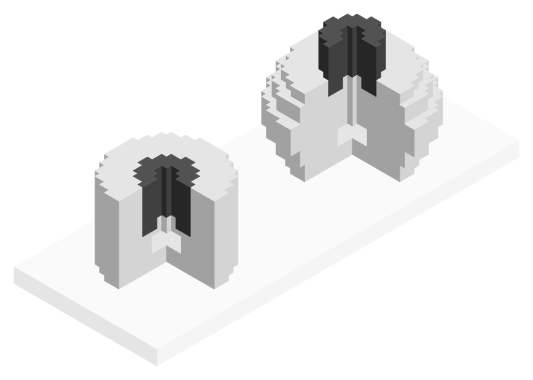
Not reliably: UltiMaker advises against heat-set inserts in flexible TPU because the plastic deforms and the insert loosens. What to use instead, and how to test.
AnswerHardware
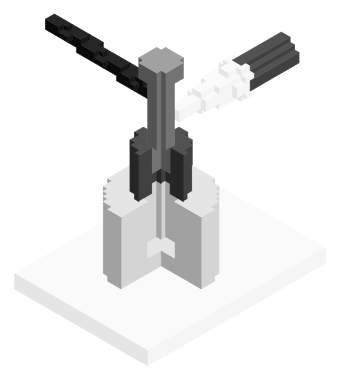
No-iron ways to fit heat-set inserts: a flame-heated screw, a hot plate, presses and cold options, with what controls the temperature and how each one fails.
AnswerHardware
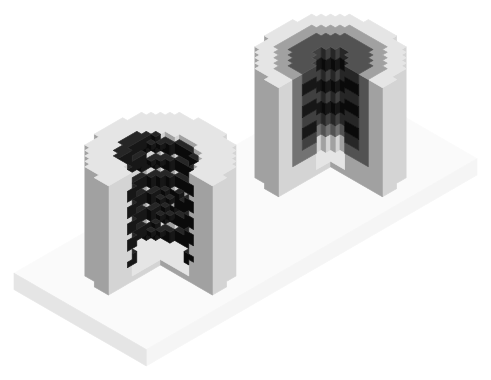
In CNC Kitchen's M3 test in PETG, a Helicoil and a heat-set insert pulled out at the same load, but the Helicoil stripped at 1 Nm against 3 Nm for the insert.
AnswerMaterials
PLA showed no mass or strength loss after a year in 25 °C water in two lab studies. At 50 °C, PLA coupons lost all tensile strength within 57 days.
AnswerMaterials
Yes, if the layers don't crack: ABS held water with 2 perimeters in Prusa's tests, half what PLA needed. Acetone vapor smooths ABS and ASA, but test it for leaks.
AnswerMaterials
A nylon print holds water with 4 perimeters, but the plastic absorbs it: 2.35% for Bambu Lab PA6-CF vs 0.43% for PLA, and soaked PA6-CF can lose half its strength.
AnswerMaterials
PETG is insoluble and takes up 0.45% water at saturation, about the same as PLA. Prints leak at the seams: Prusa needed 4 perimeters before PETG held water.
AnswerMaterials
PLA plastic is: insoluble, 0.43 percent water uptake. A PLA print often leaks at the seam until it has 4 perimeters, more flow, or a coat of epoxy or lacquer.
AnswerMaterials
Yes, if printed well: TPU absorbs 0.18 to 1.08 percent water, and calibrated TPU walls held water 15 days in a 2023 test. Polyester TPU degrades in hot water.
AnswerHardware
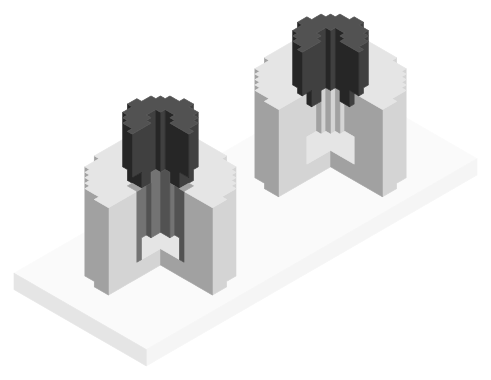
Hole diameter, hole depth and minimum wall for M2 and M2.5 heat-set inserts from the Ruthex and CNC Kitchen size tables, plus how much to oversize the hole in CAD.
AnswerHardware
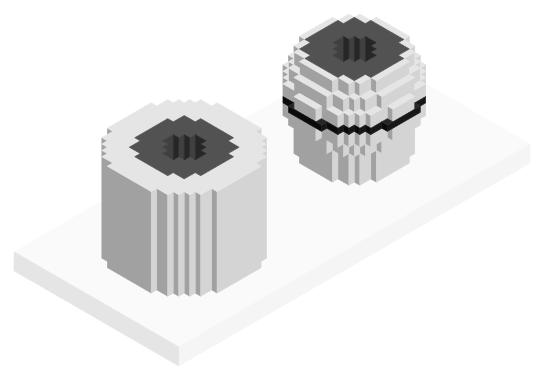
Hole diameter, depth and boss wall for standard and short M4 heat-set inserts: a 5.6 mm hole per Ruthex or 5.7 mm per CNC Kitchen for a 6.3 mm insert.
AnswerHardware
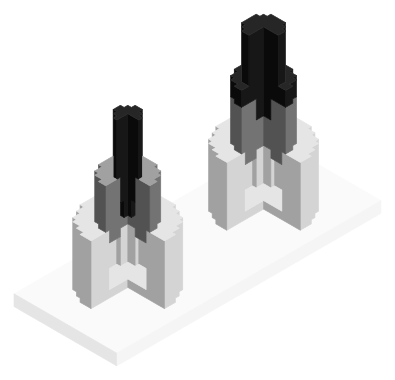
Hole diameter, hole depth and minimum boss wall for standard (M5 x 9.5) and short M5 heat-set inserts, from the Ruthex and CNC Kitchen size tables.
AnswerHardware
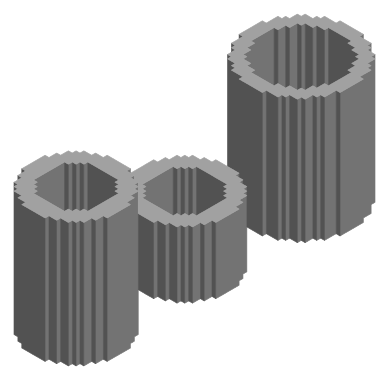
Hole diameter, hole depth and minimum boss wall for M6 (standard and short) and M8 heat-set inserts, from the Ruthex and CNC Kitchen size tables.
AnswerMaterials
Brush-on epoxy step by step from the XTC-3D data sheet, Prusa's results for epoxy, lacquer, chemical smoothing and nail polish, and the food-contact rules.
AnswerHardware
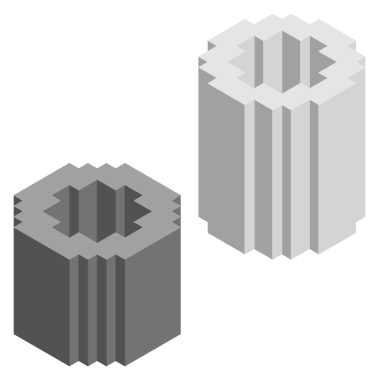
Voron printers use M3 heat-set inserts 5 mm across and 4 mm long (M3x5x4): the hole they need, how many each build takes, and the iron temperature for ABS and ASA.
AnswerHardware
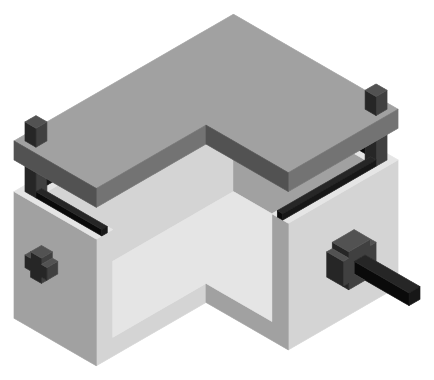
Print ASA or PETG with 2 to 3 mm walls, seal the lid with an O-ring at 20 to 30 percent squeeze under screws, use IP68 cable glands and a vent, then test.
AnswerMaterials
Yes, for parts without water pressure: Prusa sprays acrylic varnish inside and out a few times. Flex Seal needs 24 to 48 hours to cure and is not for drinking water.
AnswerHardware
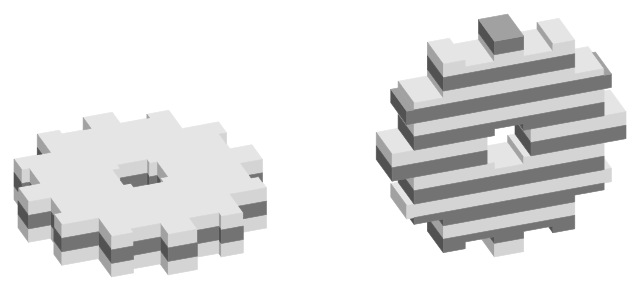
A numbered gear recipe (material, teeth, perimeters, infill, orientation) plus the 2022 Polymers wear test where PETG gears outlasted PLA by 22.3 percent and ABS by 37.

AnswerHardware
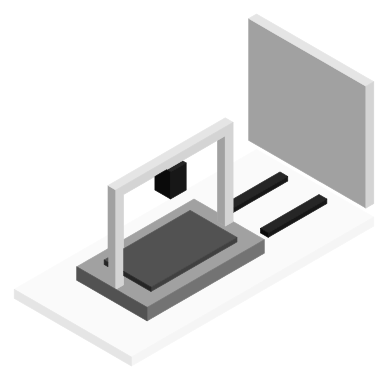
Published pressure results for printed parts: Prusa Research's 20 and 30 meter dives, a forum test at 5 to 8 bar, and the O-ring rule for threaded fittings.
AnswerTroubleshooting
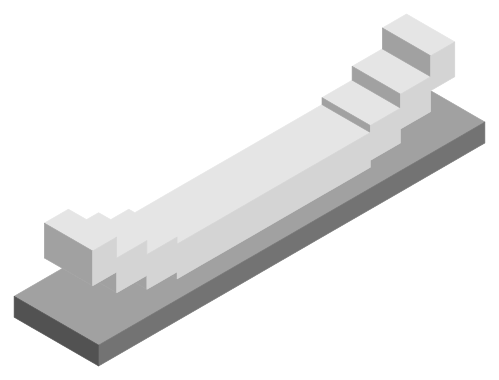
Bambu Lab and Creality rate their printers for 10 to 30 °C ambient, and Prusa calls 20 to 30 °C ideal. What fails in a cold garage, and how to check yours.
AnswerMaterials
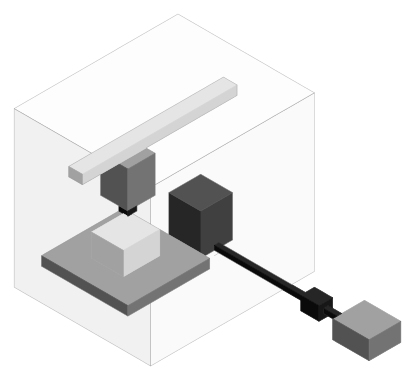
Bambu Lab lists a 45 to 60 °C chamber for ABS and uses 60 °C for large, warp-prone parts, well below the 101 °C glass transition on Polymaker's data sheet.
AnswerHardware
Not automatically in the US: the FTC bars voiding a warranty just for a third-party part, but makers can refuse to cover damage that part caused.
AnswerHardware
An enclosure only traps heat from the bed, about 50 °C in Polymaker's printer figures; a heated chamber adds its own heater and holds a set 60 to 65 °C.
AnswerMaterials
A decision table from what the broken part faces (heat, sun, load, chemicals) to a material class, with HDT, impact and absorption figures from manufacturer data sheets.
AnswerMaterials
What Prusa Research, FDA 21 CFR 177.1630 and EU Regulation 10/2011 say about printed parts that touch food: layer grooves, nozzle lead, uncertified pigments and coatings.
AnswerHardware
Not for PLA, PETG or TPU. Prusa requires a glue stick for ABS, ASA, nylon and PC Blend on textured PEI, and Bambu Lab says those four may need one.
AnswerHardware
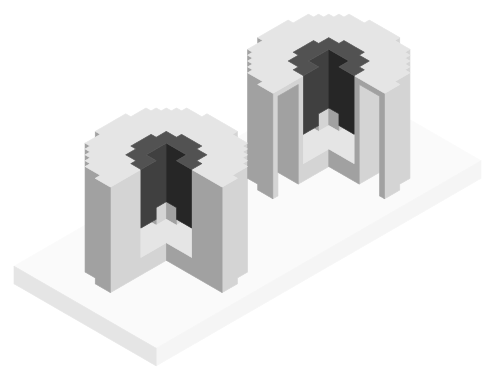
CNC Kitchen's measured pull-out loads for M3 heat-set inserts in PLA: 181 kg for Ruthex, 157 kg for eBay inserts, 39 kg for cheap ones, and how hole size changes it.
AnswerHardware
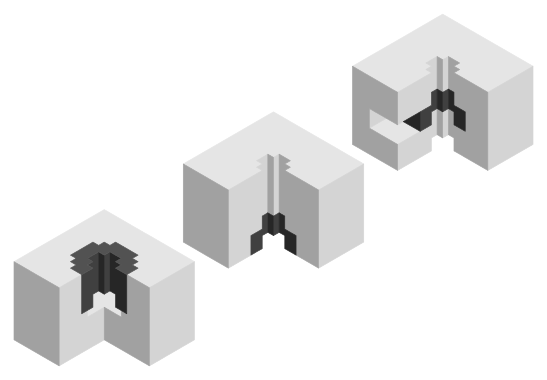
CNC Kitchen's M3 test in PETG: a bottom-pocket nut held 166 kg against 119 kg for a heat-set insert, but the insert took more torque. When each fastening wins.
AnswerHardware
Wash it when prints stop sticking, not on a schedule. Prusa wipes with about 90% IPA and saves soap for a last resort; neither maker allows acetone on textured PEI.
AnswerMaterials
Nylon data sheets put the nozzle at 250 to 300 °C: copolymers start lowest, PA6, PA12 and fiber-filled grades run 260 to 290 °C. Ranges, beds and drying by type.
AnswerHardware
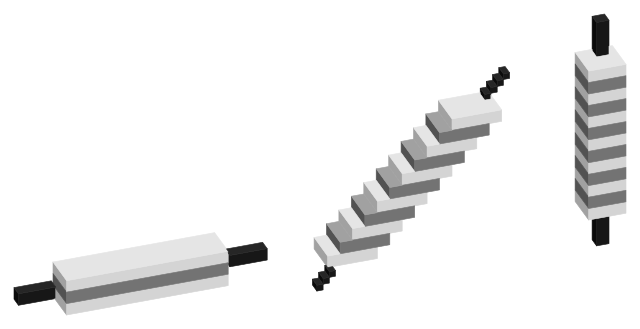
Lay the load along the layers: Bambu Lab PETG Basic pulls 51 MPa in XY and 35 MPa in Z, and CNC Kitchen's PLA coupons gained 27 percent tilted to 45 degrees.
AnswerTroubleshooting
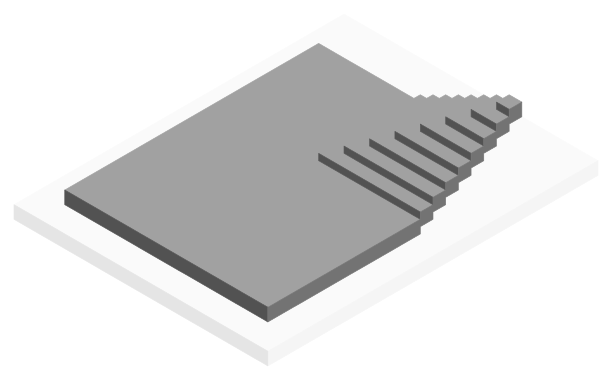
One lifted corner has less grip or more cooling than the other three. Five causes to check: bed height, a draft, a cool bed zone, skin oil and a sharp corner.
AnswerMaterials
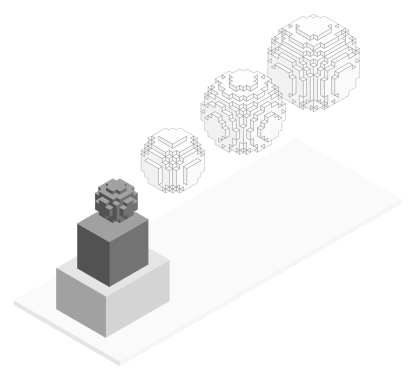
Azimi et al. measured ABS emitting hundreds of times more ultrafine particles than PLA, plus styrene. What the studies found and the ventilation they advise.
AnswerHardware
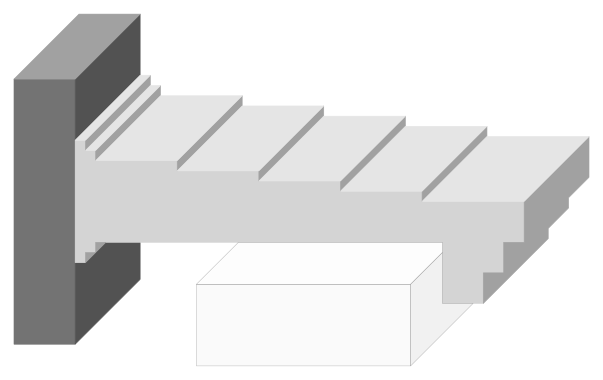
Cantilever clip rules from Bayer's snap-fit guide: taper the arm to half its root thickness, fillet the root, keep strain under 2.5 to 4 percent, print the arm flat.
AnswerTroubleshooting
TPU welds itself to a hot bed, a squashed first layer or bare smooth PEI. Bambu Lab lists 35 to 45 °C on PEI plates. The causes, the fixes and a safe way to peel it.
AnswerMaterials
PLA, PETG, ASA, PP and PC compared for holding water: the perimeter count Prusa needed, data-sheet water absorption, heat limits and outdoor use.
AnswerHardware
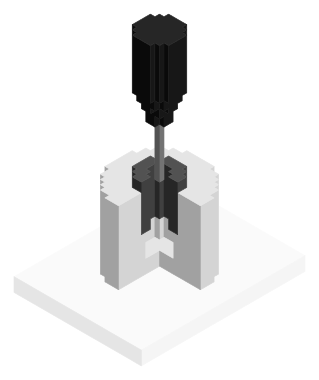
Yes: brass heat-set inserts hold in PETG at an iron temperature of about 245 °C, and the part stays rigid to a glass transition near 80 °C. Expect stringing from the tip.
AnswerHardware
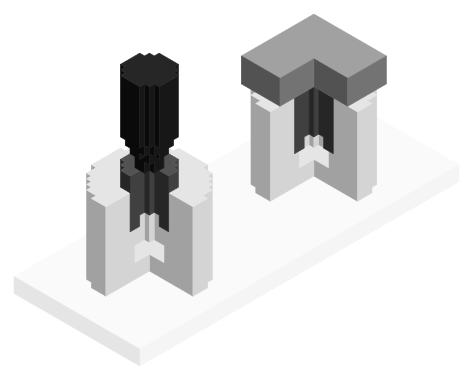
A soldering-iron procedure for square, flush heat-set inserts: iron 10 to 20 °C above printing temperature, melt about 90 % of the way, finish with a flat tool.
AnswerHardware
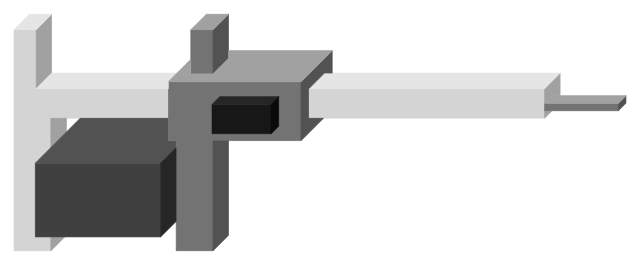
A digital-caliper procedure for outside, inside, depth and step measurements, with Mitutoyo's ±0.02 mm accuracy set against Prusa's 0.3 mm printer tolerance.
AnswerTroubleshooting
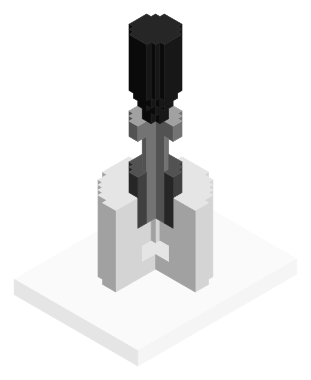
Reheat a tilted insert at 20 °C above printing temperature (240 °C for PLA) and press it flush, or pull it out on a screw in about 10 seconds; drill 5.6 mm for an M4.
AnswerTroubleshooting
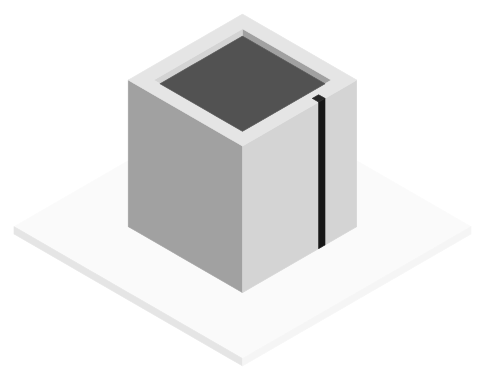
A fill-and-observe leak test on a dry tissue with two sourced pass points: dry after one night (Prusa Research, closed models) and dry after 48 hours (Bambu Lab, vases).
AnswerTroubleshooting
Four perimeters held water in PLA and PETG in Prusa's tests, two in ABS and PP, and one vase-mode wall in every material. Flow and layer height matter too.
AnswerHardware
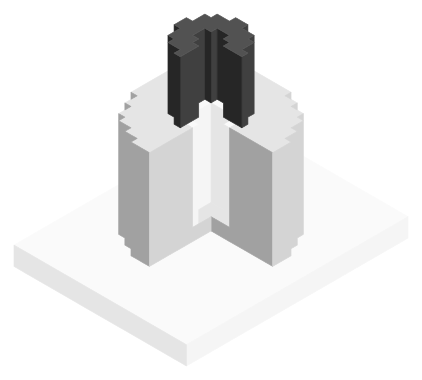
Hole diameter, hole depth and minimum boss wall for standard, short and Voron M3 heat-set inserts, taken from the Ruthex and CNC Kitchen size tables.