AnswerMaterials
What retraction settings should you use for ABS and ASA?
Your printer's own: shipped ABS and ASA profiles use 0.7 to 0.8 mm on direct-drive Prusa and Bambu printers (0.4 mm for Bambu ABS) and 2.5 to 6.5 mm on Bowden.
AnswerMaterials
Your printer's own: shipped ABS and ASA profiles use 0.7 to 0.8 mm on direct-drive Prusa and Bambu printers (0.4 mm for Bambu ABS) and 2.5 to 6.5 mm on Bowden.
AnswerMaterials
Coat it in an epoxy its maker rates safe near reptiles and cure it fully. Bearded dragons bask at up to 42 °C (108 °F) and PLA softens at 57 °C: use PETG or ASA there.
AnswerHardware
Print the hull with 4 perimeters (2 in ASA), brush epoxy inside and out, grease the stuffing tube, seal the rudder and hatch, then float-test it overnight.
AnswerMaterials
Mostly no. Run ABS with the part fan off or low: PrusaSlicer's Generic ABS keeps it off, Bambu ABS runs 10%, and both raise it for bridges and fast layers.
AnswerMaterials
Dry ABS and ASA at 80 °C (176 °F): 8 hours on Bambu Lab's data sheets, 4 hours for Prusament ASA. Polymaker uses 70 °C for 6 to 7 hours.
AnswerMaterials
Set the bed to 100 °C for ASA, Bambu Studio's default. Data sheets run from 75 °C (Polymaker) to 110 °C (Prusa), always with glue and an enclosure.
AnswerHardware
Small trim, yes, in ASA and in sections: a common desktop printer builds a 256 mm cube, a Civic is 70.9 in wide, and a printed bumper cover adds no crash protection.
AnswerMaterials
Not internal engine parts. Suppliers rate the engine area at 125 °C (257 °F) and on-engine parts at 150 °C, above the HDT of PETG, ABS, ASA and PC filament.
AnswerHardware
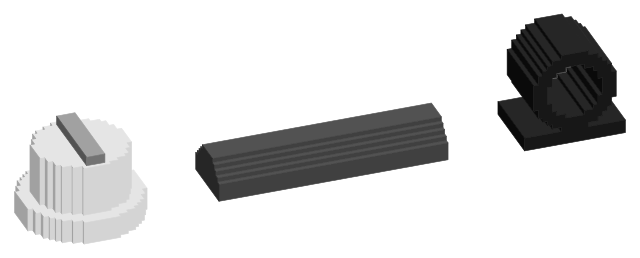
Mercedes-Benz Classic 3D prints PA12 sunroof rollers for the W 123. What carmakers print for classic cars, and which old trim parts a home printer can copy.
AnswerHardware
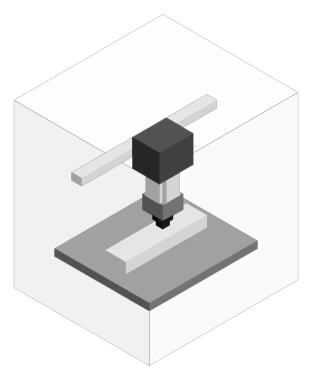
A car-part printer needs the material's numbers: 270 °C and an 80 °C bed for PETG trim, an enclosure for ASA, 300 °C and a hardened nozzle for carbon-fiber nylon.
AnswerHardware
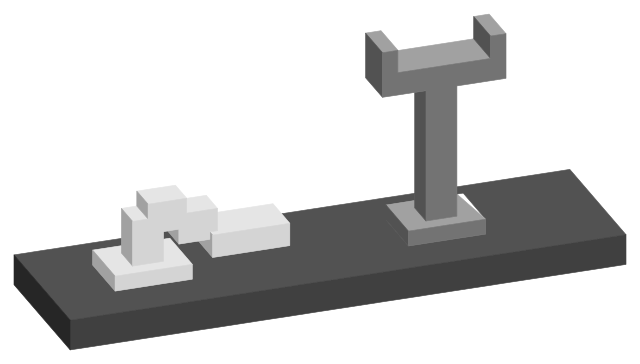
Yes for trim, clips and mounts, never brakes, steering or airbags. Sunlit dashboards average 157 °F (69 °C), past PLA's 57 °C HDT; ASA and PC clear it.
AnswerMaterials
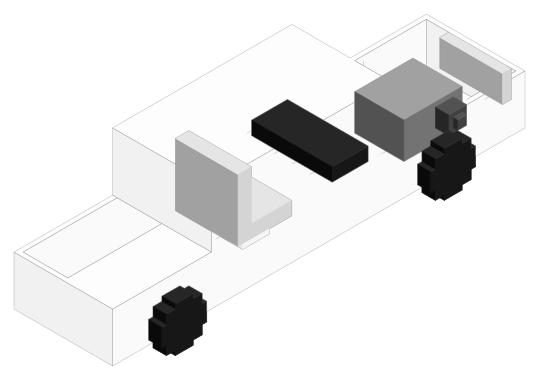
A sunlit dashboard averaged 157 °F (69 °C), so dash parts need ABS, ASA or PC. Shaded cabin parts take PETG, exterior parts ASA, flexible parts TPU.
AnswerMaterials
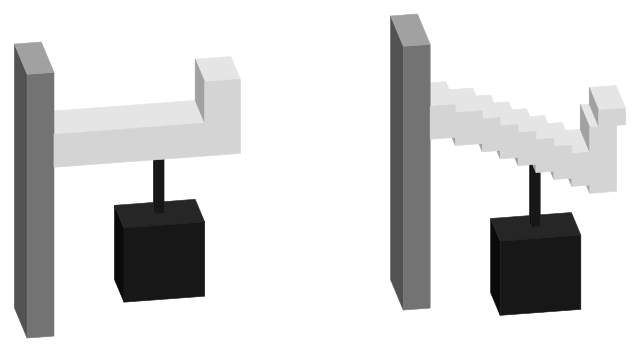
PLA showed no strength loss after a year at 25 °C, but 24 h of lab UV-B cut clear PETG's strength 36% and a hot soak halved carbon-fiber nylon's.
AnswerMaterials
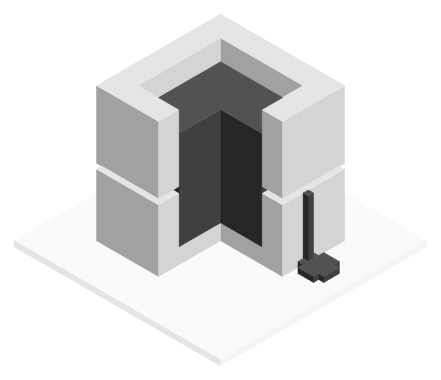
Yes, if the layers don't crack: ABS held water with 2 perimeters in Prusa's tests, half what PLA needed. Acetone vapor smooths ABS and ASA, but test it for leaks.
AnswerHardware
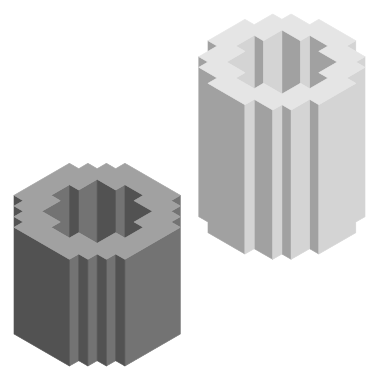
Voron printers use M3 heat-set inserts 5 mm across and 4 mm long (M3x5x4): the hole they need, how many each build takes, and the iron temperature for ABS and ASA.
AnswerHardware
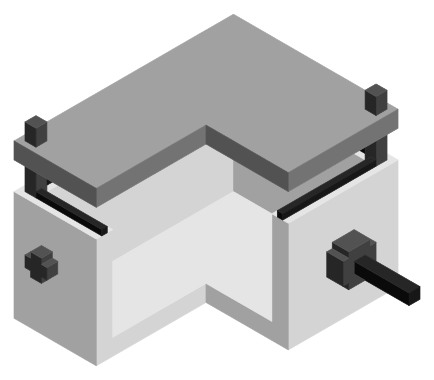
Print ASA or PETG with 2 to 3 mm walls, seal the lid with an O-ring at 20 to 30 percent squeeze under screws, use IP68 cable glands and a vent, then test.
AnswerMaterials
A decision table from what the broken part faces (heat, sun, load, chemicals) to a material class, with HDT, impact and absorption figures from manufacturer data sheets.
AnswerMaterials
PLA, PETG, ASA, PP and PC compared for holding water: the perimeter count Prusa needed, data-sheet water absorption, heat limits and outdoor use.