AnswerMaterials
What bed temperature dries filament?
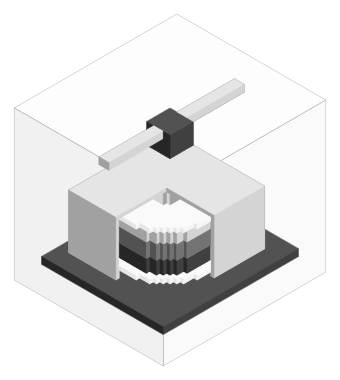
Bambu Lab's heated-bed drying table sets 60 to 70 °C for PLA, 75 to 85 °C for PETG and 80 to 90 °C for TPU, for 12 hours, spool covered and printer closed.
AnswerMaterials
Bambu Lab's heated-bed drying table sets 60 to 70 °C for PLA, 75 to 85 °C for PETG and 80 to 90 °C for TPU, for 12 hours, spool covered and printer closed.
AnswerTroubleshooting
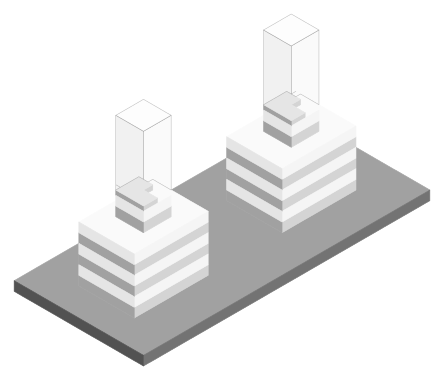
Repeat clogs are usually heat creep: Prusa flags rooms above 35 °C and enclosed PLA. Wet or dirty filament, printing too cold and long retractions cause the rest.
AnswerTroubleshooting
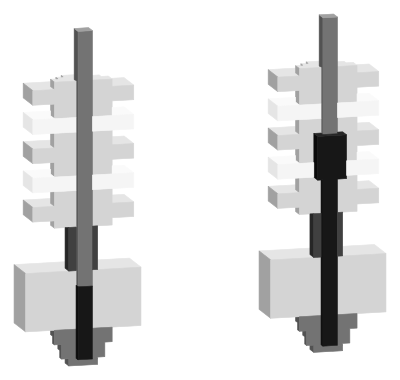
Heat rising into the heatbreak softens filament above the melt zone until it jams. PLA's glass transition is 60 °C; Bambu Lab opens the door over a 45 °C bed.
AnswerHardware
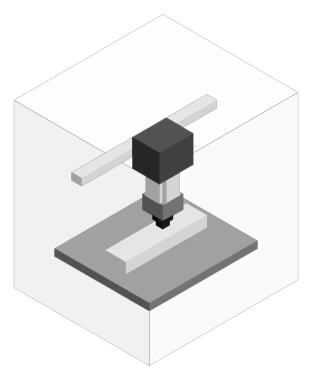
A car-part printer needs the material's numbers: 270 °C and an 80 °C bed for PETG trim, an enclosure for ASA, 300 °C and a hardened nozzle for carbon-fiber nylon.
AnswerTroubleshooting
Bambu Lab and Creality rate their printers for 10 to 30 °C ambient, and Prusa calls 20 to 30 °C ideal. What fails in a cold garage, and how to check yours.
AnswerMaterials
Bambu Lab lists a 45 to 60 °C chamber for ABS and uses 60 °C for large, warp-prone parts, well below the 101 °C glass transition on Polymaker's data sheet.
AnswerHardware
An enclosure only traps heat from the bed, about 50 °C in Polymaker's printer figures; a heated chamber adds its own heater and holds a set 60 to 65 °C.
AnswerMaterials
Azimi et al. measured ABS emitting hundreds of times more ultrafine particles than PLA, plus styrene. What the studies found and the ventilation they advise.