AnswerMaterials
Which filaments absorb the most moisture?
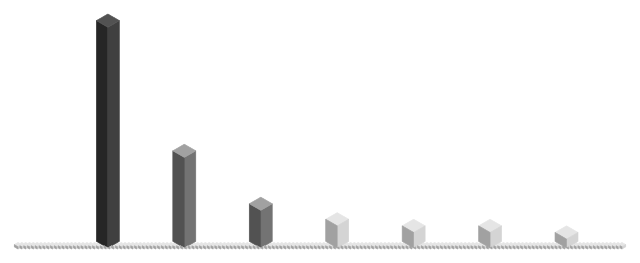
PVA and PA6 nylon absorb the most: 6.25% and 2.35 to 2.56% at saturation on Bambu Lab's data sheets, against 0.43% for PLA and 0.25% for PC.
AnswerMaterials
PVA and PA6 nylon absorb the most: 6.25% and 2.35 to 2.56% at saturation on Bambu Lab's data sheets, against 0.43% for PLA and 0.25% for PC.
AnswerTroubleshooting
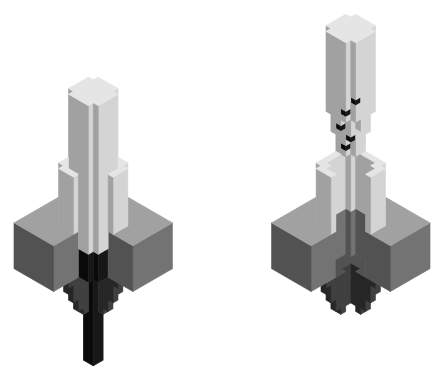
Neither: they do different jobs. Cleaning filament such as eSUN eClean flushes old material at 160 to 300 °C; a cold pull drags debris out at 80 to 160 °C.
AnswerHardware
Consumer heated beds top out at 80 to 120 °C: Bambu A1 mini 80 °C, P1S 100 °C, X1C 110 °C, Ender-3 110 °C, and H2D, Prusa MK4S and CORE One+ 120 °C.
AnswerTroubleshooting
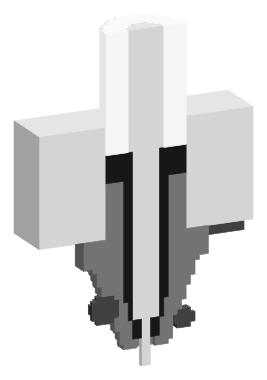
Burnt plastic from filament left in a hot nozzle. Marlin's optional idle timeout cuts the heater after 5 minutes; Prusa brushes the outside at 250 °C.
AnswerMaterials
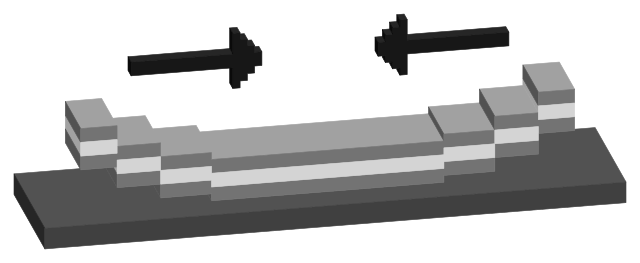
Polycarbonate needs a 90 to 120 °C bed. Bambu Lab lists 90 to 110 °C, Polymaker 90 to 105 °C and Prusament PC Blend 110 ± 10 °C; PC-ABS takes 90 to 105 °C.
AnswerMaterials
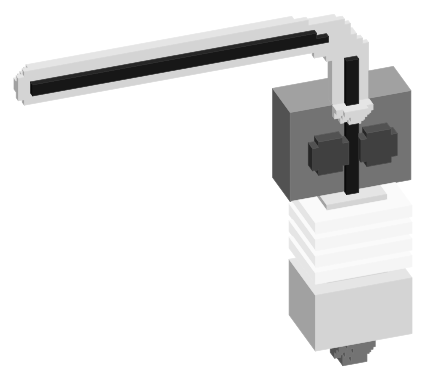
Yes: Bambu Lab says damp nylon, PC and fiber-filled filament are prone to clogging. Wet PLA mostly bubbles and strings. Dry PLA at 45 to 55 °C for 6 to 8 hours.
AnswerMaterials
Not internal engine parts. Suppliers rate the engine area at 125 °C (257 °F) and on-engine parts at 150 °C, above the HDT of PETG, ABS, ASA and PC filament.
AnswerHardware
Yes for trim, clips and mounts, never brakes, steering or airbags. Sunlit dashboards average 157 °F (69 °C), past PLA's 57 °C HDT; ASA and PC clear it.