GuideHardware
3D printing replacement parts: what works, what lasts, what is legal
Printed parts are weakest across layers: Bambu Lab PETG Basic pulls 51 MPa in XY and 35 MPa in Z; Prusament PETG's interlayer adhesion is 18 MPa against 47 MPa flat.
GuideHardware
Printed parts are weakest across layers: Bambu Lab PETG Basic pulls 51 MPa in XY and 35 MPa in Z; Prusament PETG's interlayer adhesion is 18 MPa against 47 MPa flat.
AnswerHardware
Only as a stopgap on a slow shaft. A molded nitrile oil seal is rated to 80 °C and 10 m/s; NinjaFlex TPU deflects at 60 °C. Never print a hydraulic seal.
AnswerHardware
Small trim, yes, in ASA and in sections: a common desktop printer builds a 256 mm cube, a Civic is 70.9 in wide, and a printed bumper cover adds no crash protection.
AnswerMaterials
Not internal engine parts. Suppliers rate the engine area at 125 °C (257 °F) and on-engine parts at 150 °C, above the HDT of PETG, ABS, ASA and PC filament.
AnswerHardware
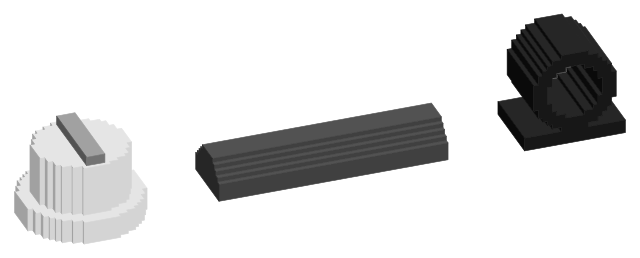
Mercedes-Benz Classic 3D prints PA12 sunroof rollers for the W 123. What carmakers print for classic cars, and which old trim parts a home printer can copy.
AnswerHardware
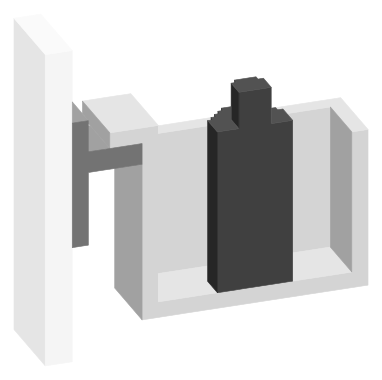
Yes for bin clips, shelf supports and drawer rails at 40 °F (4 °C). PETG or ABS beats PLA on impact. Gaskets, sealed-system, electrical and water-line parts stay OEM.
AnswerHardware
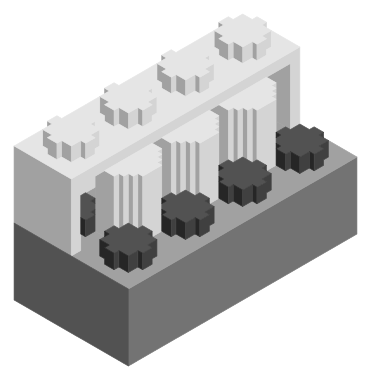
Yes, for personal use. The brick patent expired in 1978, but LEGO molds to 1/200 mm and Prusa quotes 0.3 mm XY, so tune XY compensation on a test brick first.
AnswerHardware
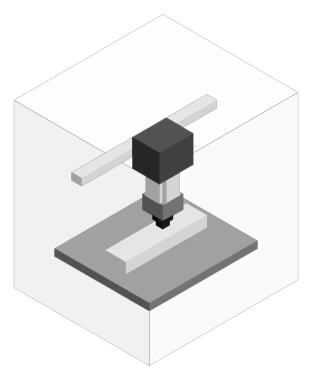
A car-part printer needs the material's numbers: 270 °C and an 80 °C bed for PETG trim, an enclosure for ASA, 300 °C and a hardened nozzle for carbon-fiber nylon.
AnswerHardware
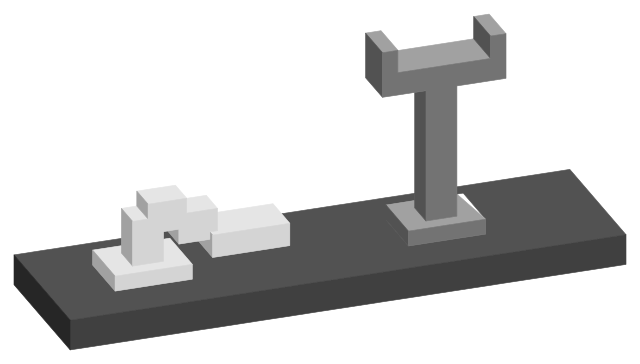
Yes for trim, clips and mounts, never brakes, steering or airbags. Sunlit dashboards average 157 °F (69 °C), past PLA's 57 °C HDT; ASA and PC clear it.
AnswerMaterials
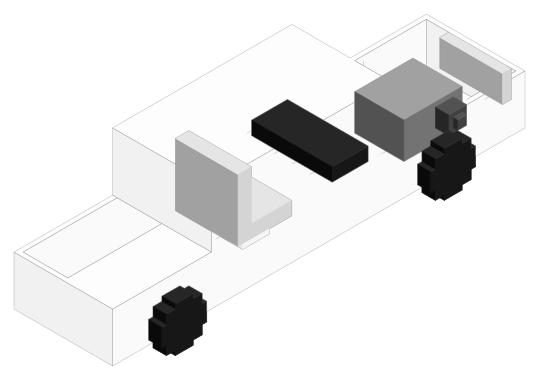
A sunlit dashboard averaged 157 °F (69 °C), so dash parts need ABS, ASA or PC. Shaded cabin parts take PETG, exterior parts ASA, flexible parts TPU.
AnswerMaterials
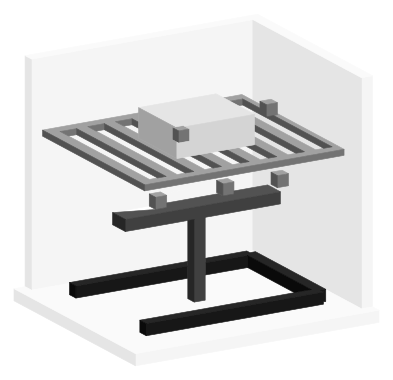
Manufacturer HDT and Tg figures for PLA, PETG, ABS, ASA, nylon, PC and PP set against the 150 °F dishwasher sanitize rinse, with margins in °C.
AnswerMaterials
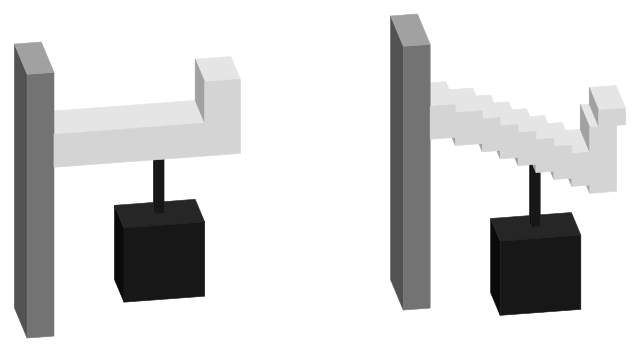
PLA showed no strength loss after a year at 25 °C, but 24 h of lab UV-B cut clear PETG's strength 36% and a hot soak halved carbon-fiber nylon's.
AnswerHardware
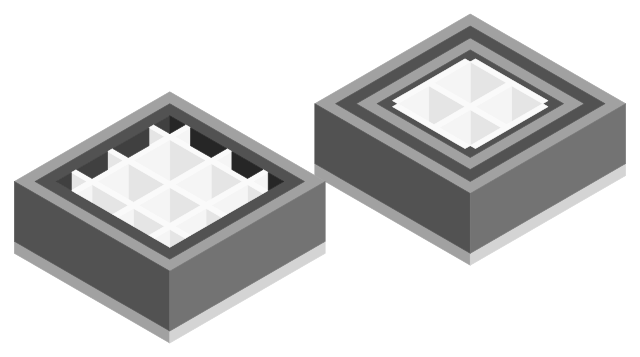
Seven steps from broken part to fitted print: check it is legal, find a model, measure to 0.01 mm, add 0.15 to 0.40 mm clearance, pick a filament, orient it, test-fit.
AnswerBusiness
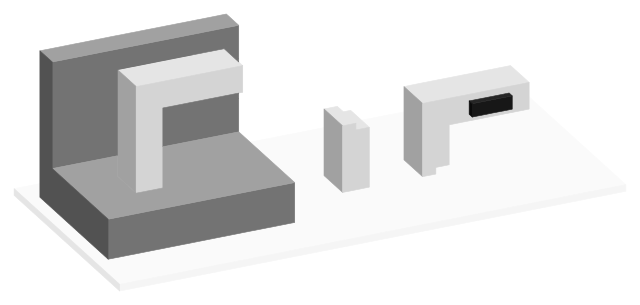
What utility patents, design patents, trademarks and copyright each cover on a replacement part, the term of each, and how the repair doctrine applies to printing one.
AnswerHardware
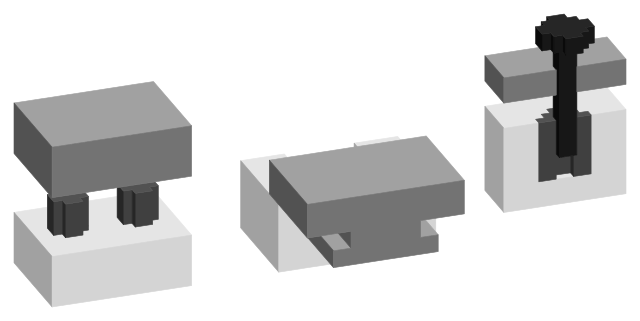
CA glue for PLA, PETG, ABS and nylon, acetone for ABS and ASA, epoxy for mixed plastics, a primer for PP, and 0.15 to 0.5 mm clearances for pins, dovetails and clips.
AnswerHardware
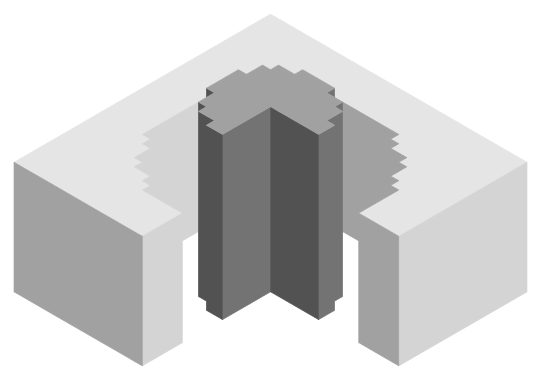
Design in clearance instead of copying the measurement: 0.15 to 0.20 mm for a snug fit, 0.20 to 0.25 mm sliding, 0.30 to 0.40 mm loose, then check with a tolerance print.
AnswerHardware
Official printable spares from Philips (seven files on Printables, October 2026), Framework and Miele, plus the five repositories where car and Dyson parts live.
AnswerBusiness
Where to get a part printed in the US: libraries charging $0.10 per gram of PLA, makerspaces, and online services that quote on volume, material and machine time.
AnswerHardware
A numbered gear recipe (material, teeth, perimeters, infill, orientation) plus the 2022 Polymers wear test where PETG gears outlasted PLA by 22.3 percent and ABS by 37.
AnswerMaterials
A decision table from what the broken part faces (heat, sun, load, chemicals) to a material class, with HDT, impact and absorption figures from manufacturer data sheets.
AnswerMaterials
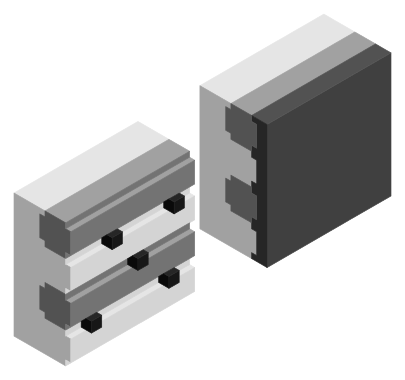
What Prusa Research, FDA 21 CFR 177.1630 and EU Regulation 10/2011 say about printed parts that touch food: layer grooves, nozzle lead, uncertified pigments and coatings.
AnswerHardware
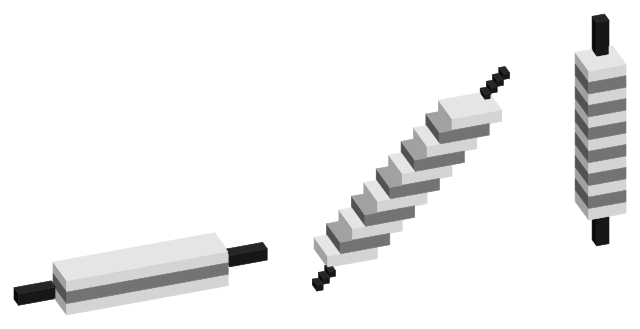
Lay the load along the layers: Bambu Lab PETG Basic pulls 51 MPa in XY and 35 MPa in Z, and CNC Kitchen's PLA coupons gained 27 percent tilted to 45 degrees.
AnswerHardware
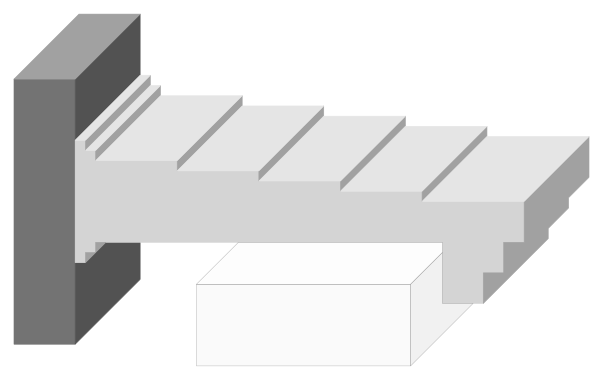
Cantilever clip rules from Bayer's snap-fit guide: taper the arm to half its root thickness, fillet the root, keep strain under 2.5 to 4 percent, print the arm flat.
AnswerHardware
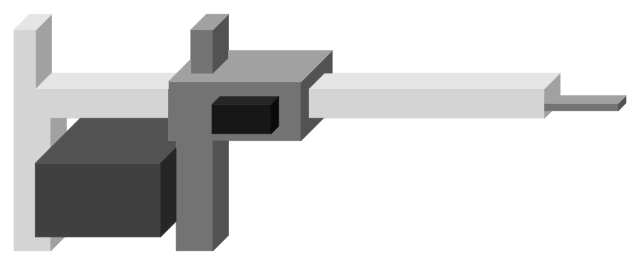
A digital-caliper procedure for outside, inside, depth and step measurements, with Mitutoyo's ±0.02 mm accuracy set against Prusa's 0.3 mm printer tolerance.